
Portable Climate Control for Every Industry: What to Use and When
Businesses across the country rely on portable cooling, heating, and dehumidification to keep operations running smoothly. Whether you manage a construction site, warehouse, medical facility, manufacturing plant, or event space, the right climate-control equipment keeps people comfortable, protects equipment, and maintains productivity.
At Climate Control Solutions, we supply a full range of industrial-grade portable air conditioners, spot coolers, heaters, dehumidifiers, and air movers for jobs of all sizes. This guide breaks down which equipment works best for each industry and when you should use it.
1. Why Portable Climate Control Matters
Permanent HVAC systems don’t always cover every need. Hot spots, seasonal temperature swings, temporary structures, outages, and emergency situations all require fast, reliable solutions. Portable climate control fills the gap by offering:
- Quick deployment
- Precise temperature control
- Compatibility with indoor and outdoor environments
- Low downtime during HVAC repairs or upgrades
- Protection for sensitive equipment and materials
2. Best Cooling Options by Industry
Warehouses & Distribution Centers
Warehouses experience high heat from equipment, lighting, and poor airflow. Popular solutions include:
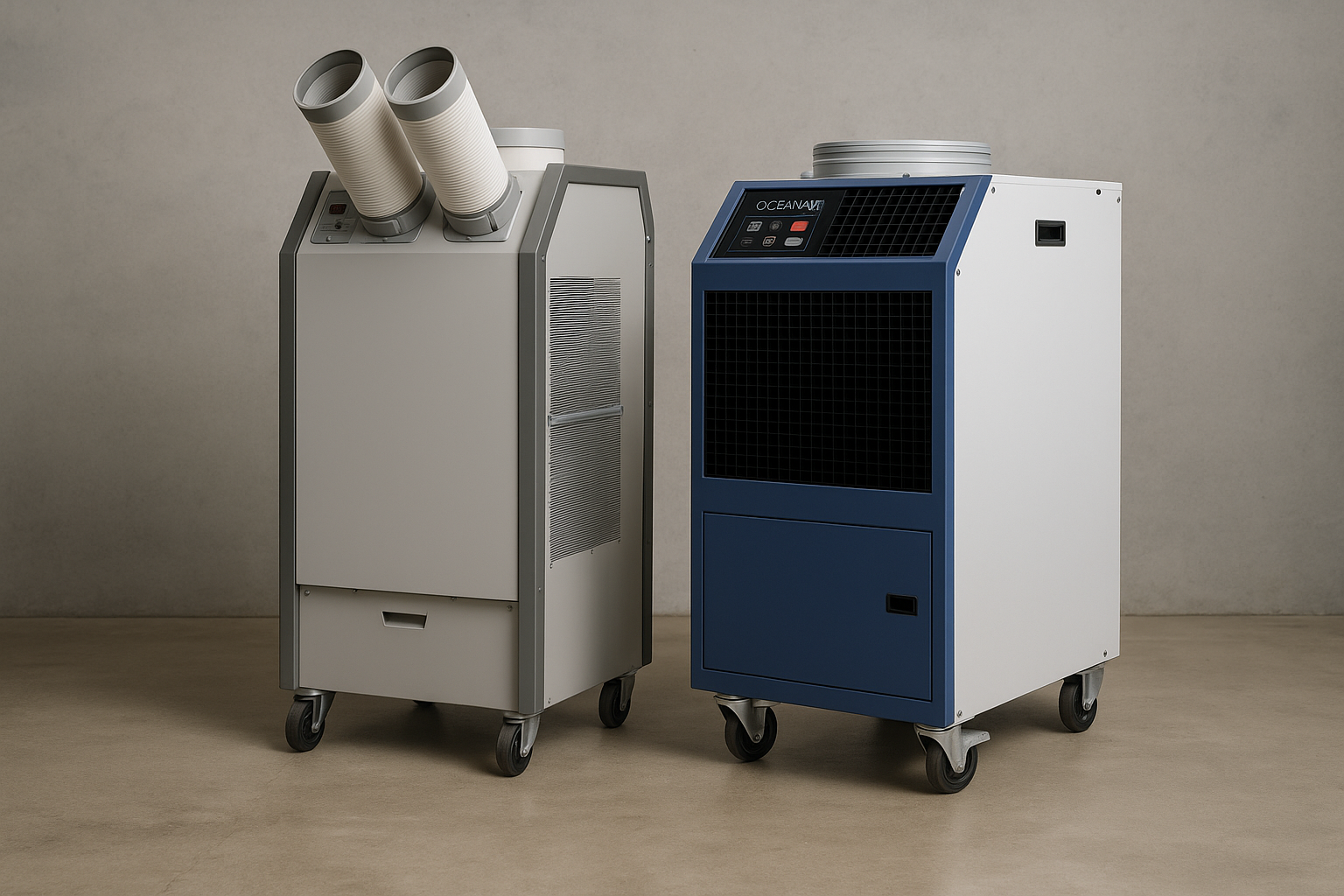
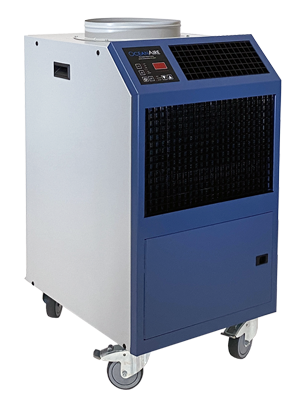
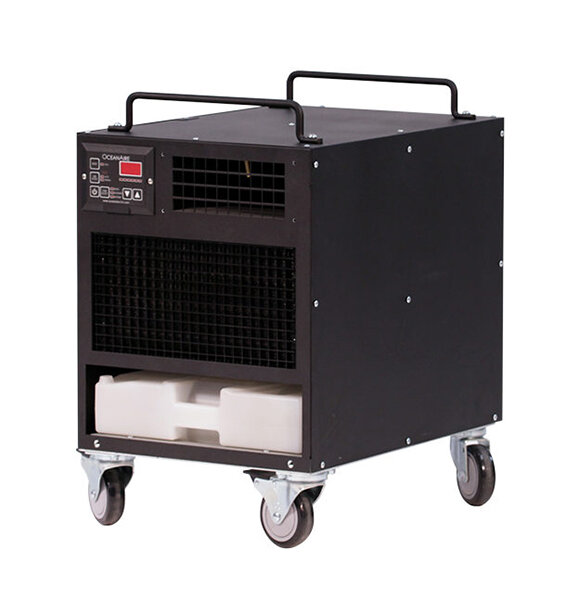
- Airrex spot coolers (1–5 ton models for targeted cooling)
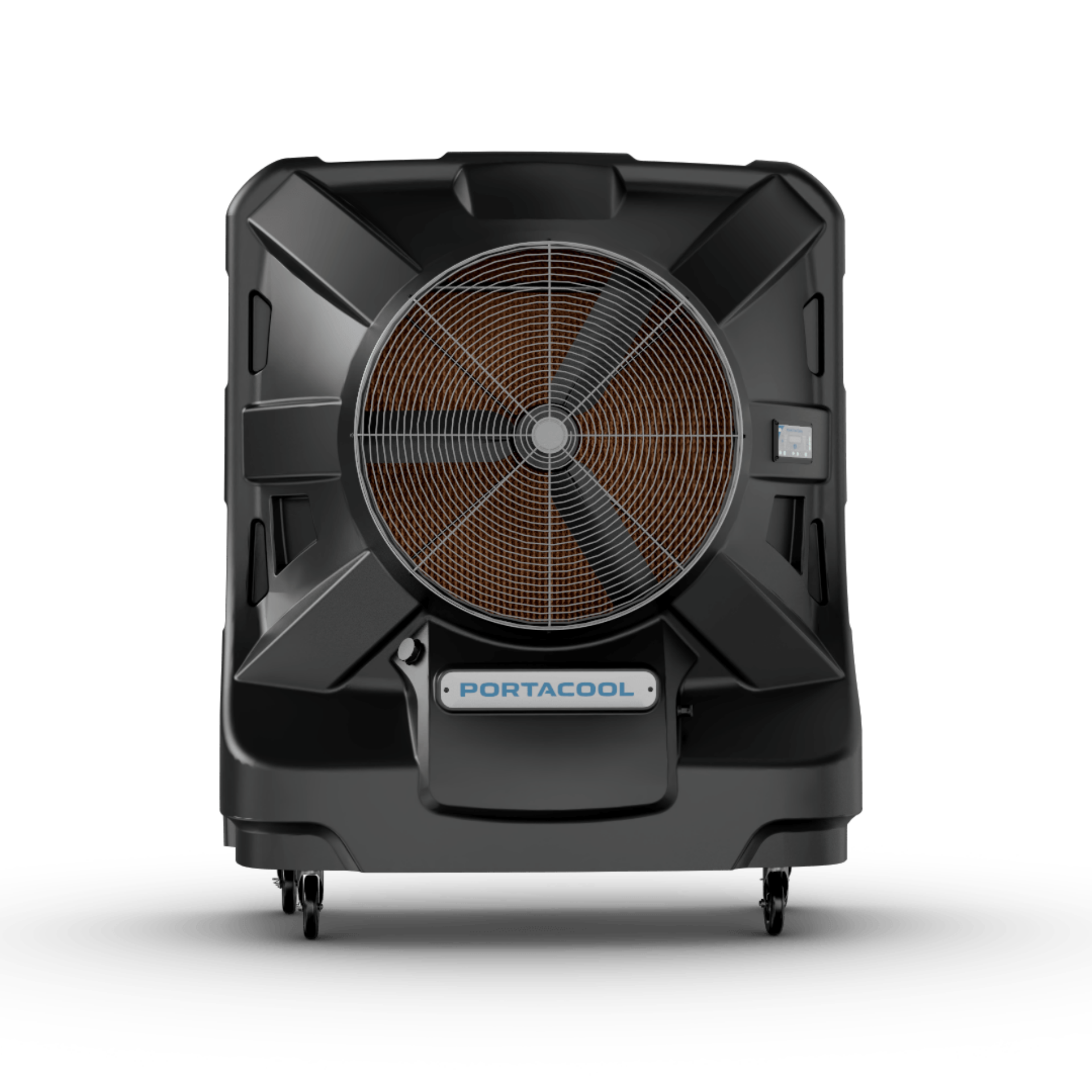
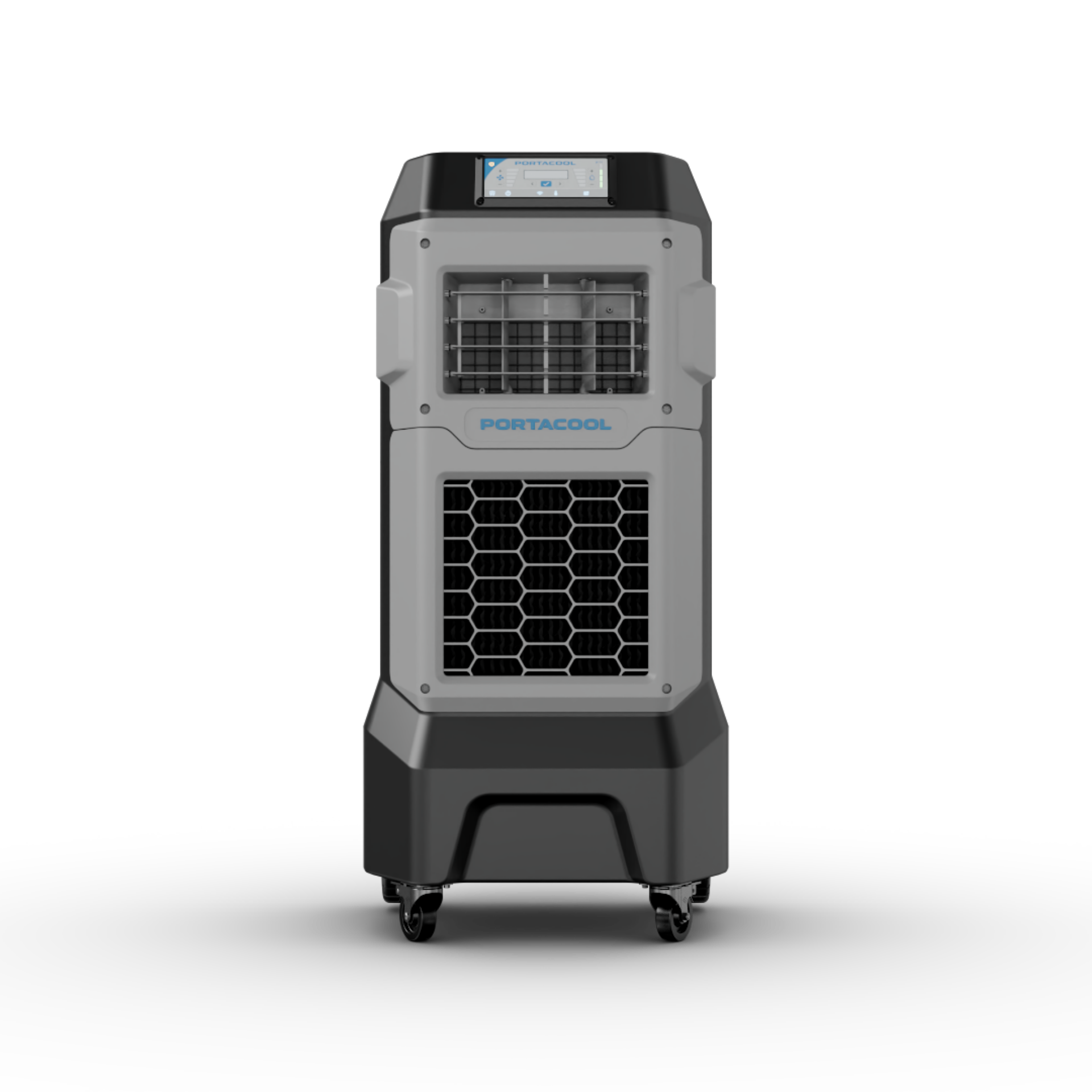
- High-CFM evaporative coolers like Jetstream and Cool-Space units
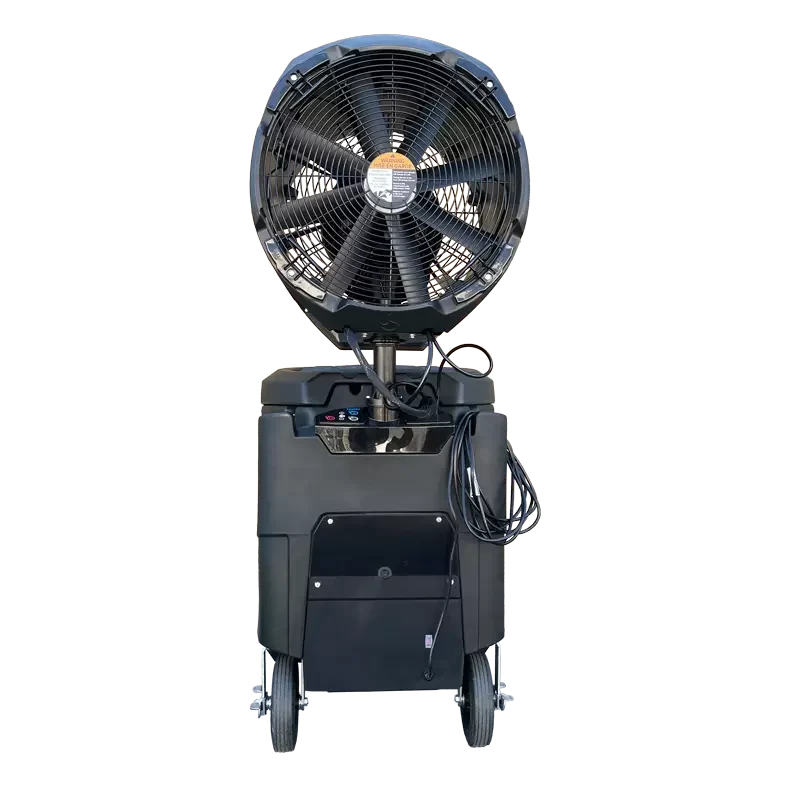
- Big Ass Fans Sidekick and Black Jack for air movement across large areas
These solutions help reduce heat stress, improve worker comfort, and maintain workflow during the hottest months.
Construction Sites & Temporary Structures
Construction crews and temporary buildings need rugged units that can operate in demanding conditions.
Commonly used equipment:
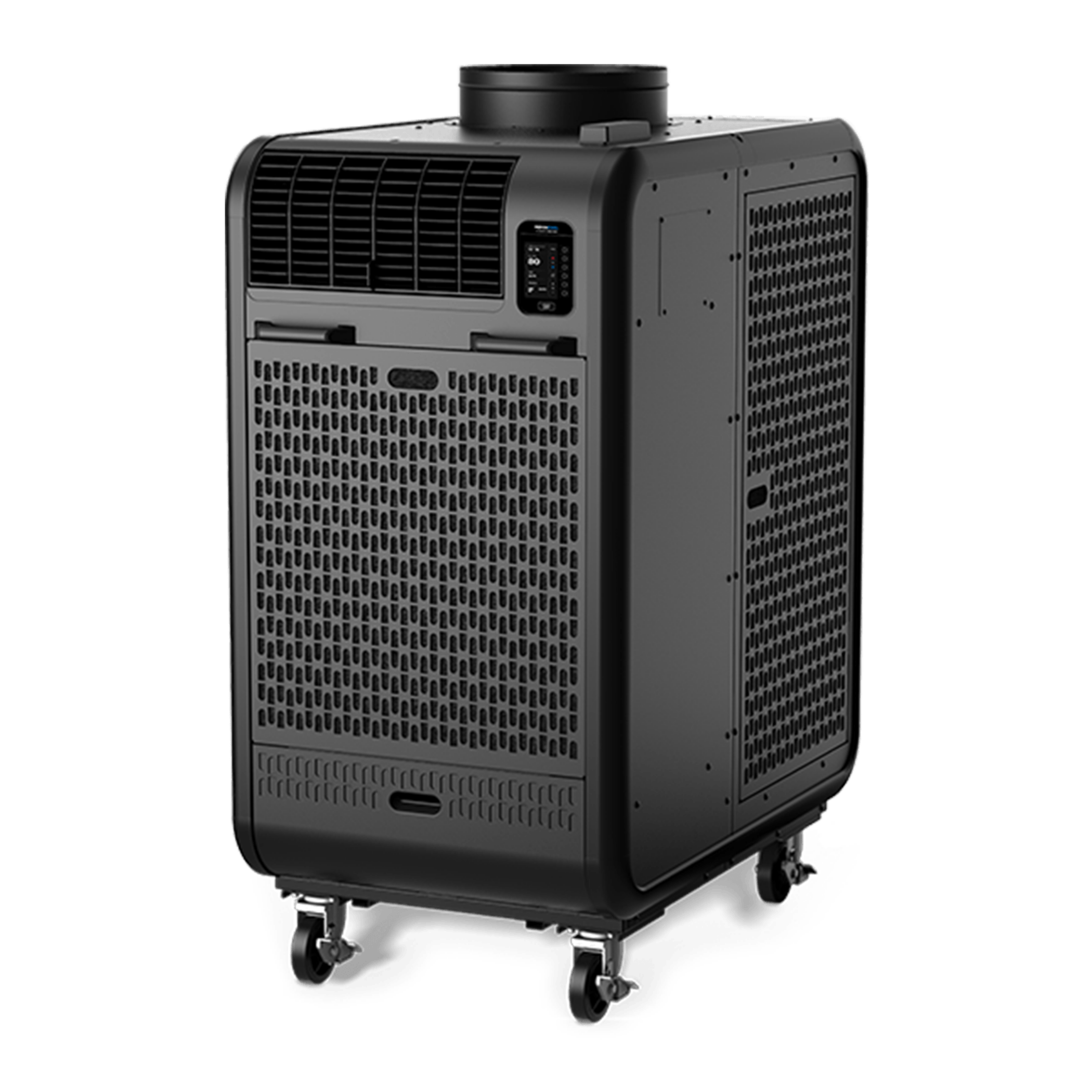
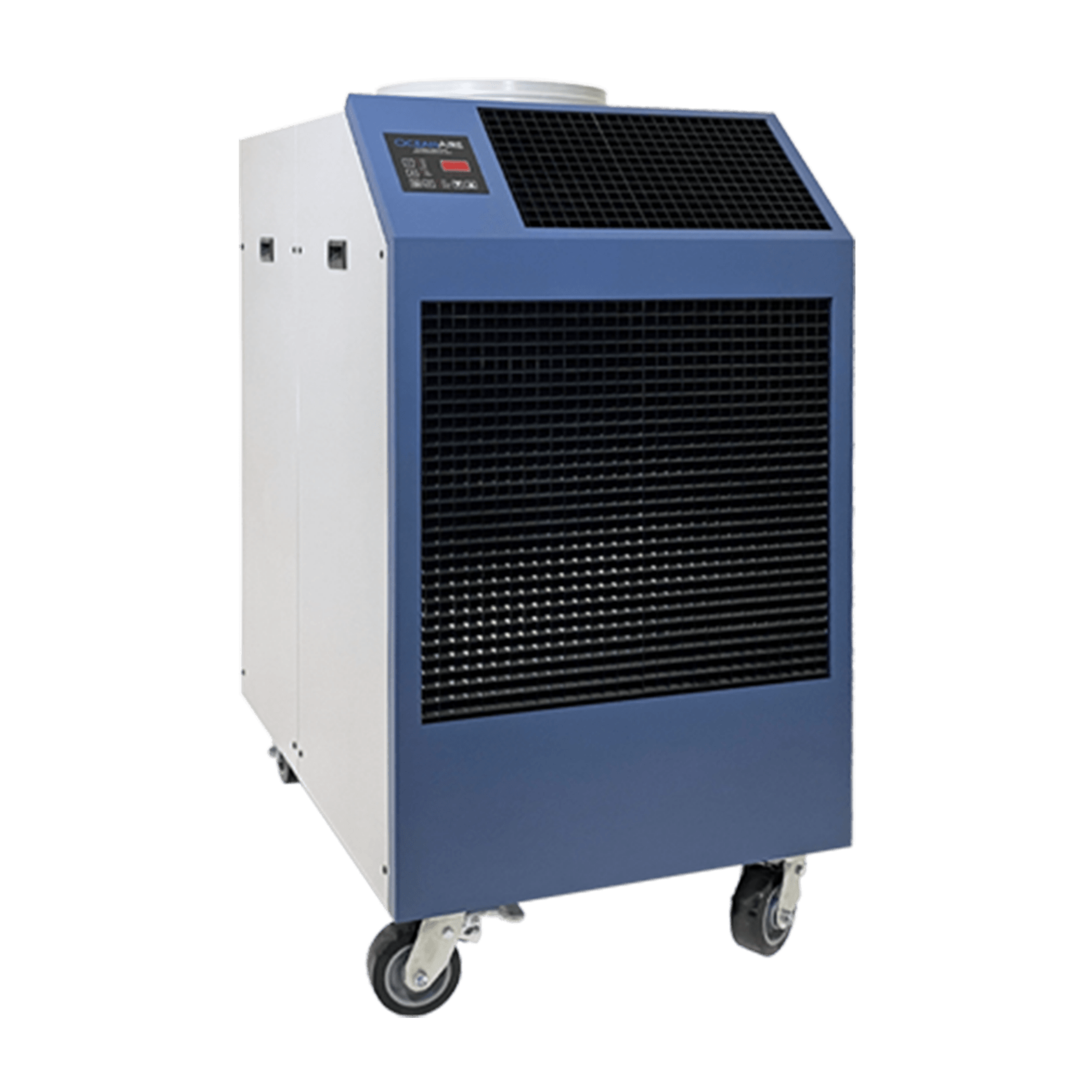
- Airrex AHSC-140R (12-Ton) and other large portable AC units
- MOB-250HPEH for large-scale cooling with heat
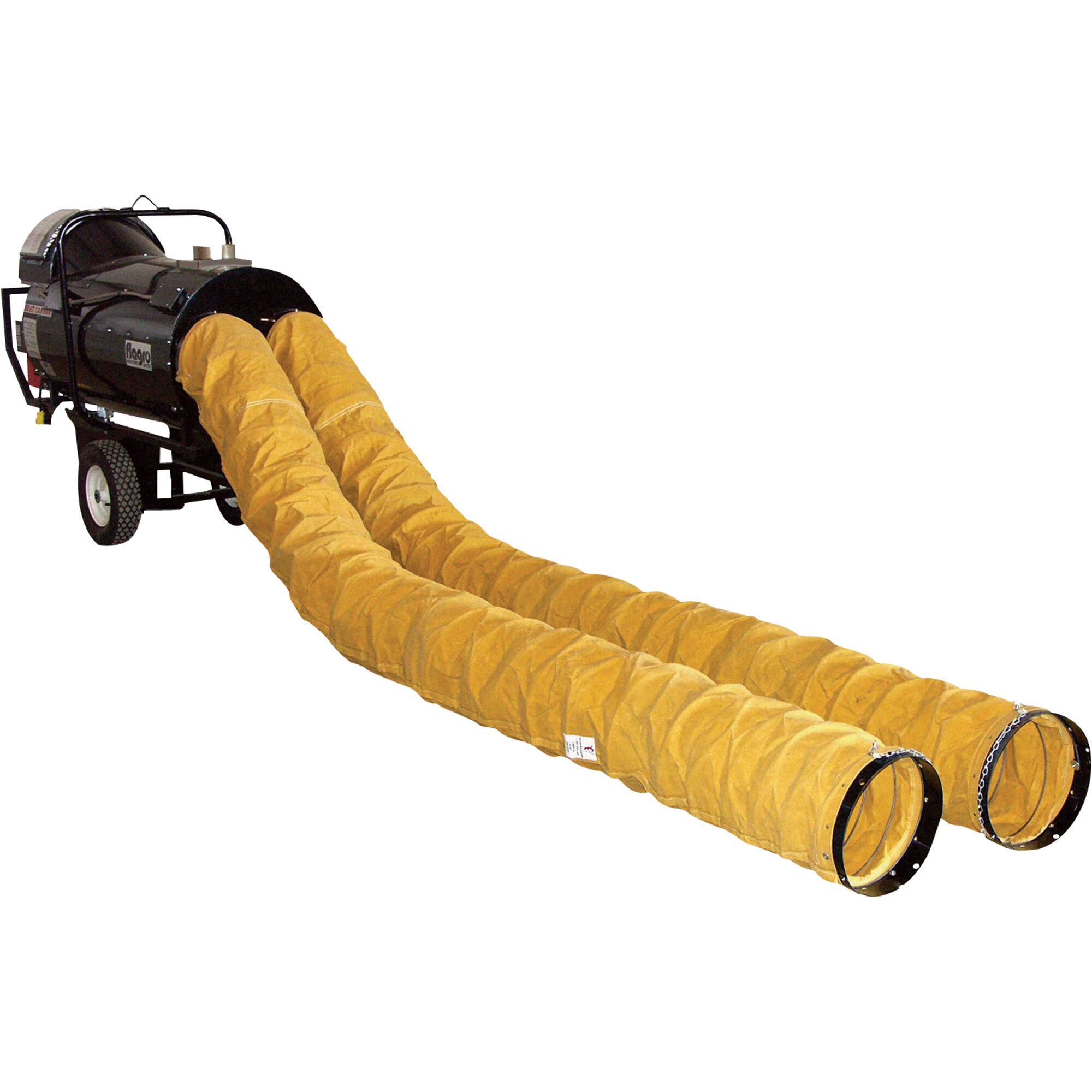
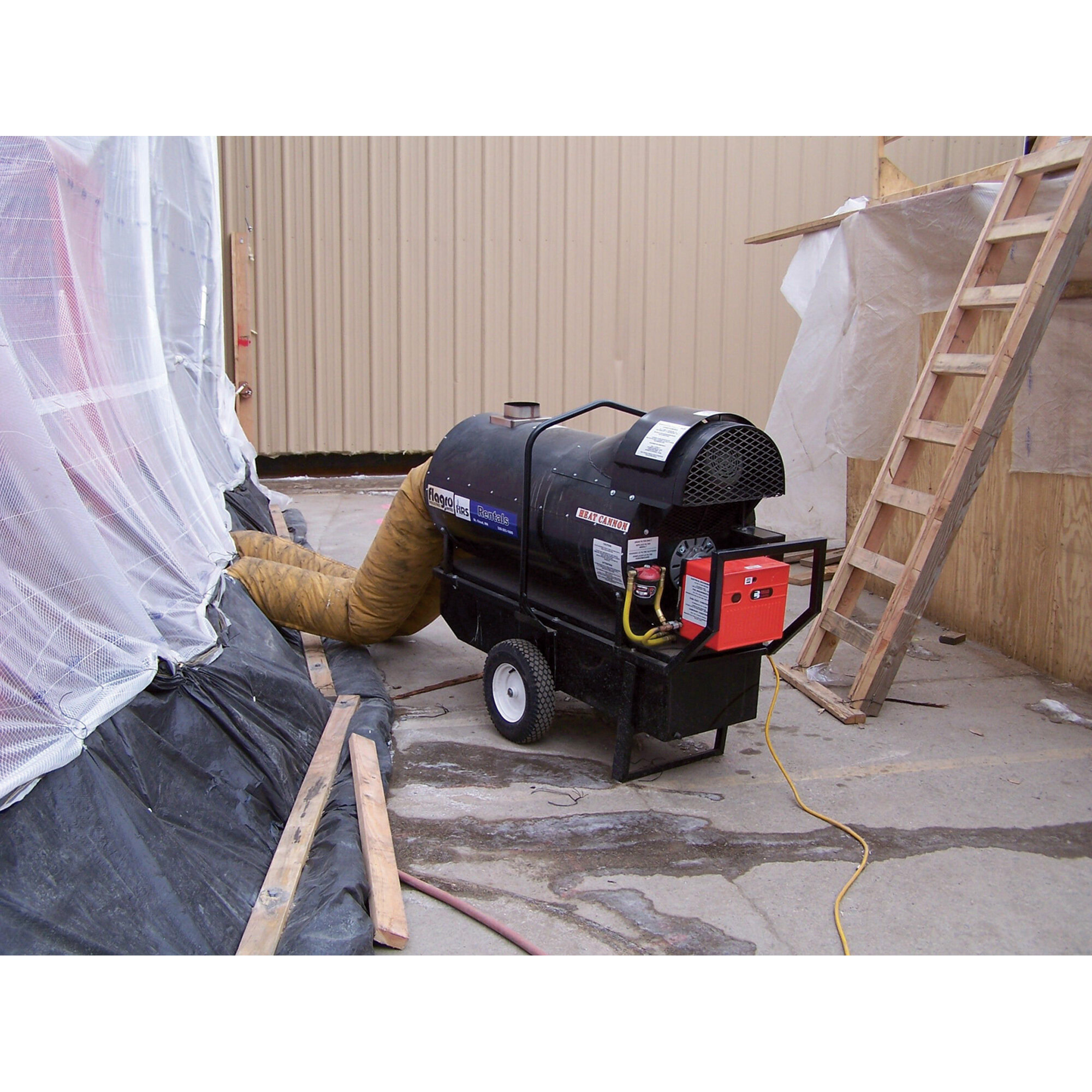
- Flagro indirect-fired heaters (FVO-200RC, FVO-400RC, FVNP-400 series) for cold weather
- Evaporative coolers for open-air construction zones
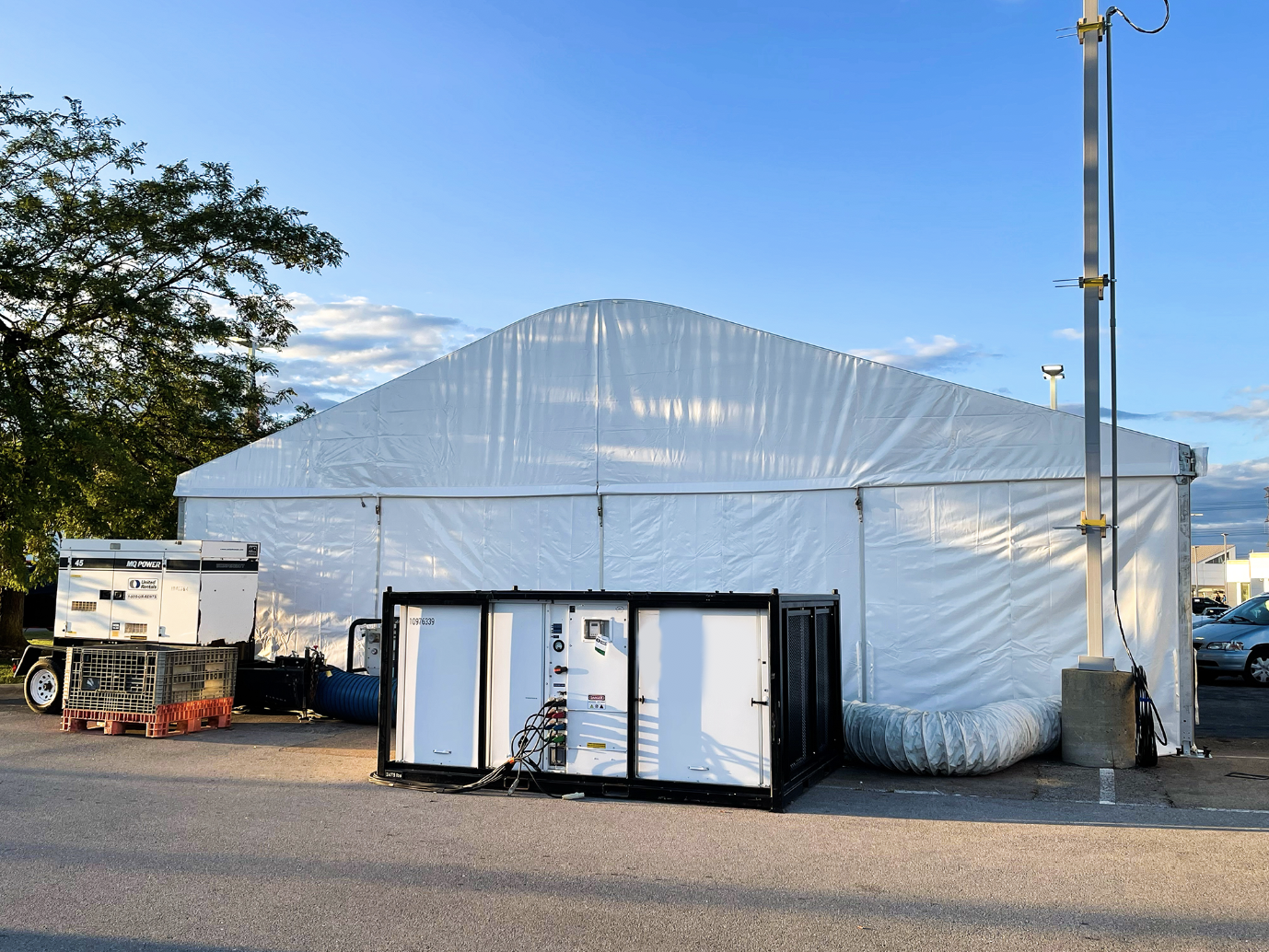
For example, at a 13,000 sq. ft. construction project in Waco, Texas, Climate Control Solutions delivered a MOB-250HPEH and Sidekick fans to cool the interior while construction progressed.
Healthcare & Medical Facilities
Healthcare settings require reliable, clean, and quiet climate control. Common needs include:
- Cooling for patient rooms, waiting rooms, labs, and imaging suites
- Backup cooling during HVAC outages
- Supplemental cooling for sensitive equipment
Recommended solutions:
- Airrex spot coolers for clean, targeted cooling
- Ceiling tile kits to exhaust heat through the plenum
- Commercial dehumidifiers for moisture control
- Portable air conditioners for emergency response
Manufacturing & Industrial Plants
Heat load from equipment, production lines, and machinery often creates hot spots.
Best options:
- High-capacity portable ACs (5–12 ton units)
- Airrex HSC-36P and HSC-60P spot coolers for targeted areas
- Big Ass Fans for airflow in high-volume work areas
- Evaporative coolers for large open manufacturing spaces
These reduce downtime, prevent machinery overheating, and improve working conditions.
Technology Rooms & Server Spaces
Server rooms and IDF closets generate heat constantly and require consistent cooling—especially during HVAC failures.
Recommended equipment:
- 1-ton and 2-ton Airrex spot coolers
- Ceiling tile kits for easy venting
- Portable dehumidifiers if moisture control is needed
Spot coolers are ideal because they can be installed quickly, redirected as infrastructure changes, and operate independently of central HVAC.
3. When to Use Portable Heaters
Cold weather can halt construction, freeze materials, and create unsafe working conditions. Portable heaters keep operations moving through the winter months.
Best Heater Types for Industrial Use
- Indirect-Fired Heaters (Flagro FVO-200RC, FVO-400RC, FVNP-200/400)
- Clean, dry heat
- Safe for indoor construction, healthcare, and events
- Direct-Fired Heaters (Flagro THC-175DF, THC-355CDF)
- High BTU output for open spaces and outdoor applications
- Construction Heaters for drying, curing, or raising ambient temperature
These units are used on construction sites, industrial plants, oil & gas operations, and large event structures.
4. When You Need Commercial Dehumidifiers
Humidity causes mold, slows construction, and damages inventory. Dehumidifiers are essential for:
- Water-damage restoration
- Drying out construction sites
- Hospitals and medical storage
- Warehouses and data rooms
- Hurricane response
Popular equipment includes the Airrex ADH-8000, which offers high-performance moisture removal and can run on generators during emergency scenarios.
5. Real Jobsite Examples
Climate Control Solutions regularly supports industrial customers nationwide. A few examples include:
- A 13,000 sq. ft. medical facility in Waco cooled using a 25-ton portable AC and Sidekick fans
- Multiple warehouses using Big Ass Fans and Airrex units for summer operations
- Gym owners, like Travis County Strength, using Sidekick fans for airflow
- Construction teams using Flagro heaters to maintain productivity in winter
These real-world applications help customers understand what equipment works best for their environment.
6. How to Choose the Right Unit
When selecting a portable climate-control system, consider:
- Square footage
- Ceiling height
- Ventilation capabilities
- Electrical requirements (115V, 208/230V, 460V)
- Indoor vs. outdoor placement
- Cooling vs. heating vs. dehumidification needs
- Duration of use (temporary or long-term)
If you’re unsure, our team can walk you through the options and help size the correct unit.
7. Contact Climate Control Solutions
Whether you need portable cooling, heating, dehumidification, or airflow solutions, Climate Control Solutions supplies reliable commercial equipment nationwide.
Request a Quote or Call Us:
📞 (800) 633-8711