AC and Heating
Industrial cooling plays a critical role in maintaining safe operating conditions, protecting equipment, and supporting workforce productivity. Across manufacturing plants, processing facilities, warehouses, and data centers, excess heat can disrupt operations, damage products, and increase safety risks. Understanding how industrial cooling works—and when targeted solutions make the most sense—can help facilities manage heat more effectively and cost-efficiently.
This guide explains the fundamentals of industrial cooling, common cooling challenges, and how spot cooling and portable air conditioning solutions are used to address heat issues without the inefficiency of cooling an entire facility.
Why Industrial Cooling Matters
Industrial environments generate heat from machinery, processes, electronics, and continuous operation. If that heat is not properly managed, it can lead to:
- Equipment overheating and reduced lifespan
- Product defects caused by excessive heat or humidity
- Increased worker fatigue and heat-related illness
- Lower productivity and higher error rates
Effective industrial cooling helps facilities maintain stable temperatures, protect critical processes, and support safe working conditions.
Common Industrial Cooling Challenges
Unlike office or commercial spaces, industrial facilities face unique cooling challenges:
Large, Open Spaces
High ceilings and open floor plans make full-building air conditioning inefficient and expensive.
Heat-Generating Equipment
Machinery, motors, ovens, compressors, and production lines generate concentrated heat that traditional HVAC systems often struggle to manage.
Variable Cooling Needs
Cooling demand can change throughout the day based on production schedules, seasonal temperatures, or specific processes.
Energy Efficiency Concerns
Cooling an entire facility when only certain areas require temperature control can significantly increase operating costs.
Overview of Industrial Cooling Approaches
Industrial facilities use a variety of cooling methods depending on application, environment, and cooling load.
Air-Cooled Systems
Air-cooled systems use ambient air to remove heat and are commonly used where water access is limited or cooling loads are moderate.
Water-Cooled Systems
Water-cooled systems are used for higher cooling loads and applications where water is readily available. These systems are effective but often involve permanent installation and infrastructure.
Evaporative Cooling Systems
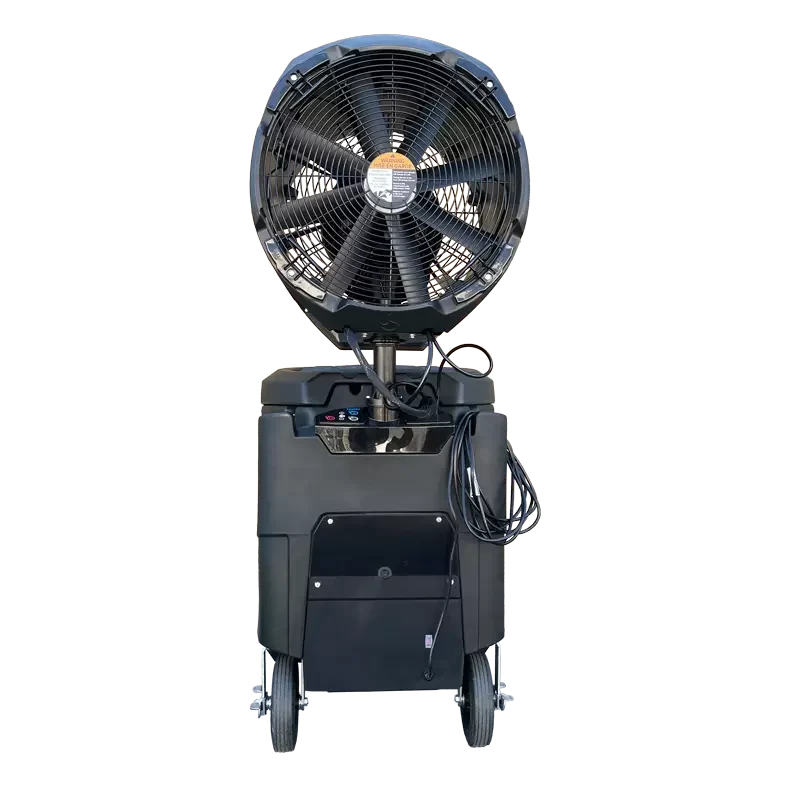
Evaporative cooling uses water evaporation to reduce temperatures and is effective in dry climates. These systems are often used for large spaces but are not suitable for every environment.
Spot Cooling and Portable Air Conditioning
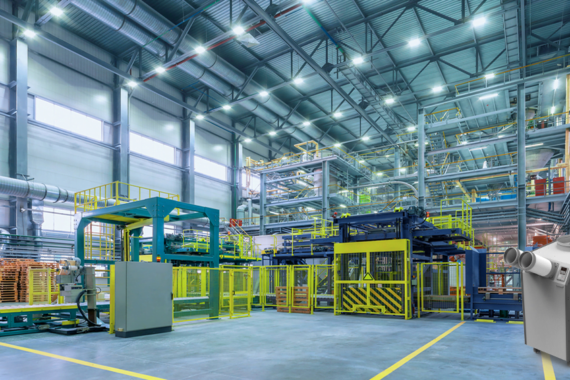
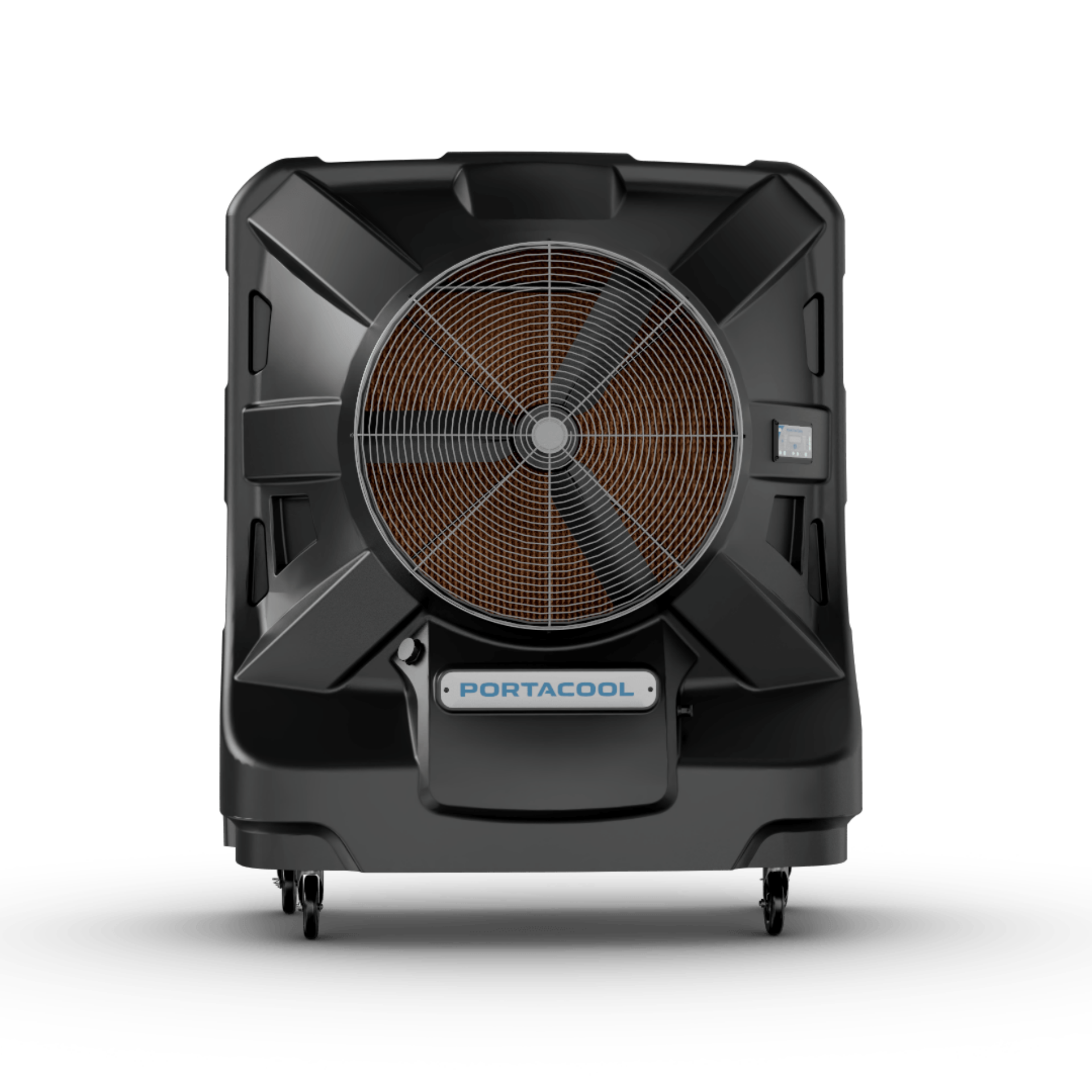
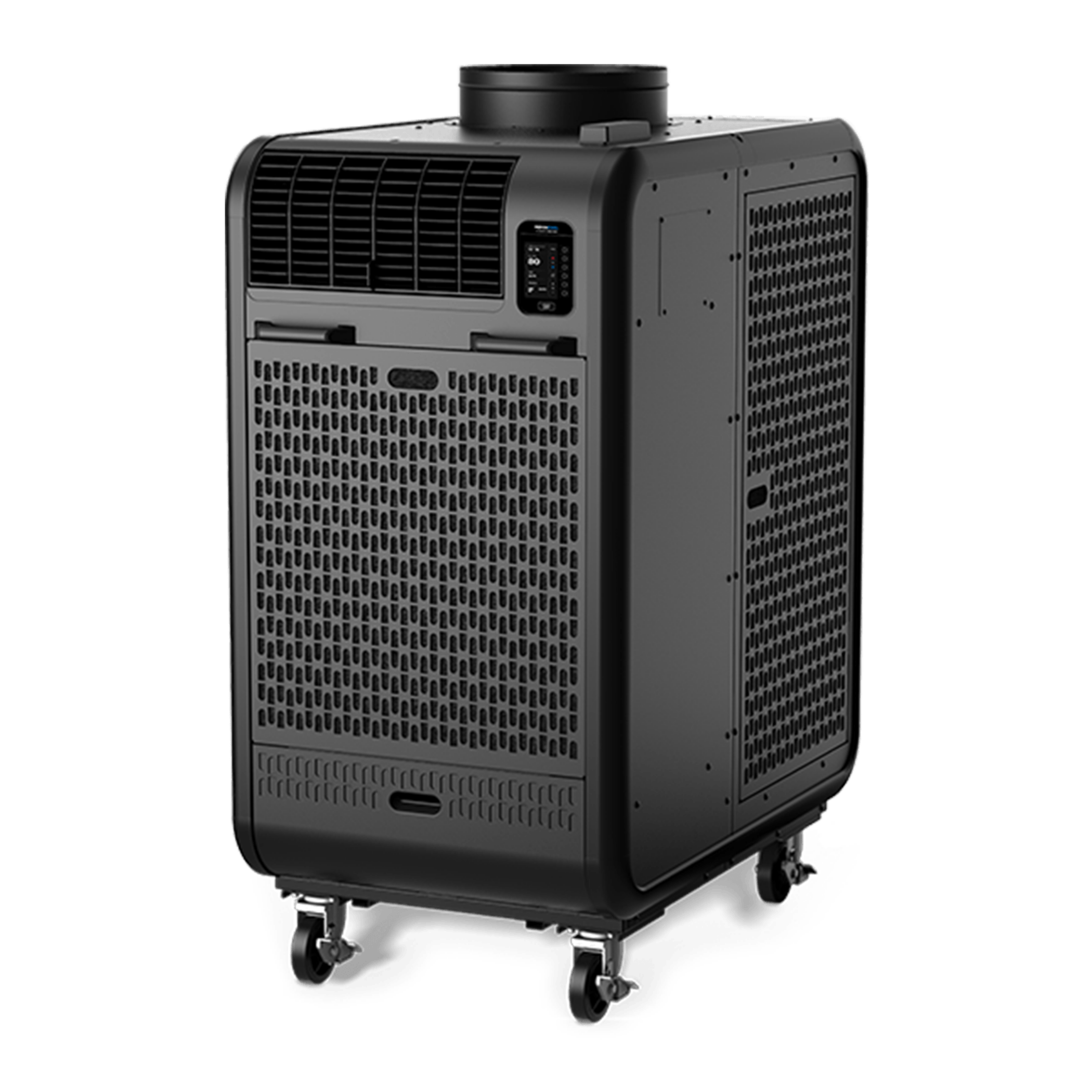
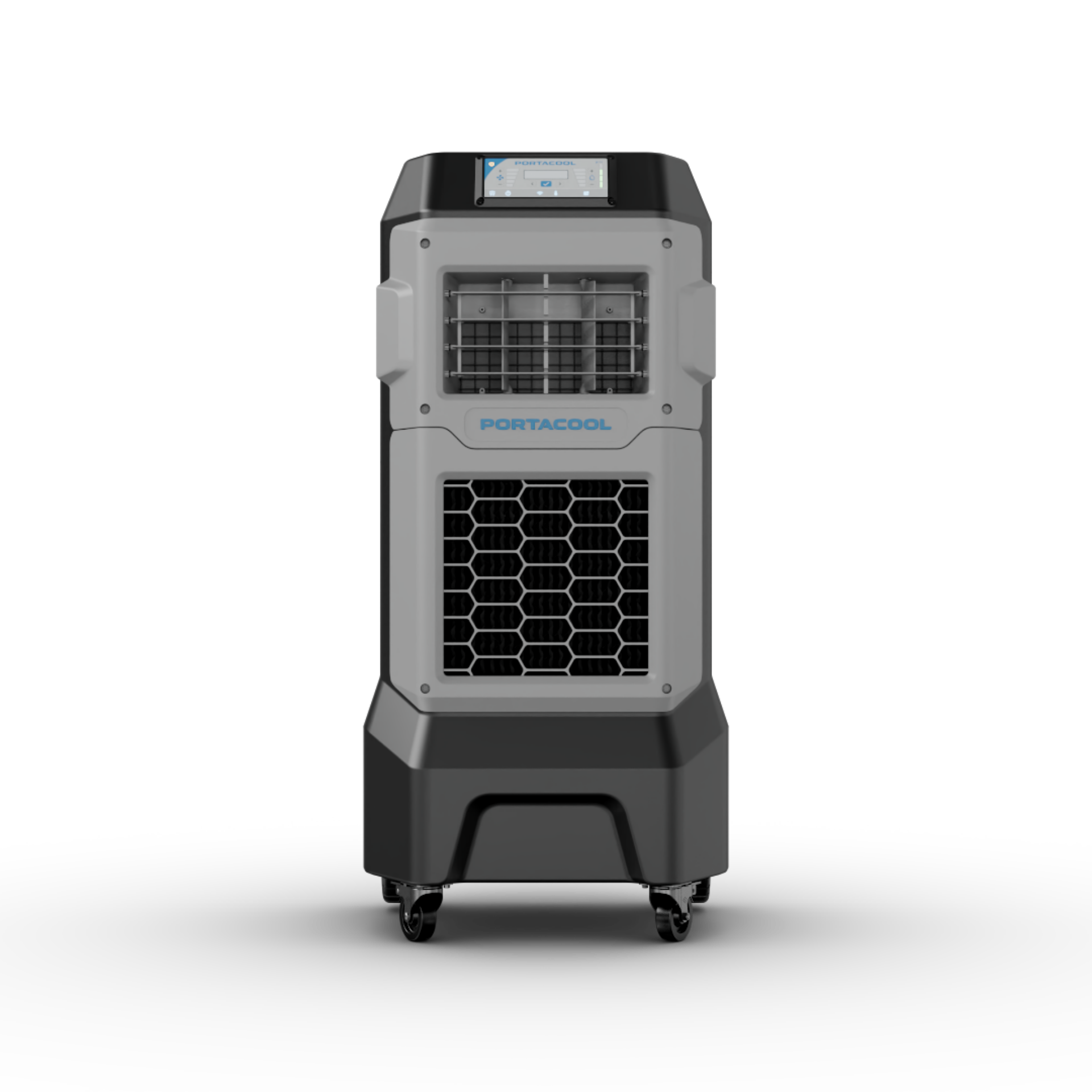
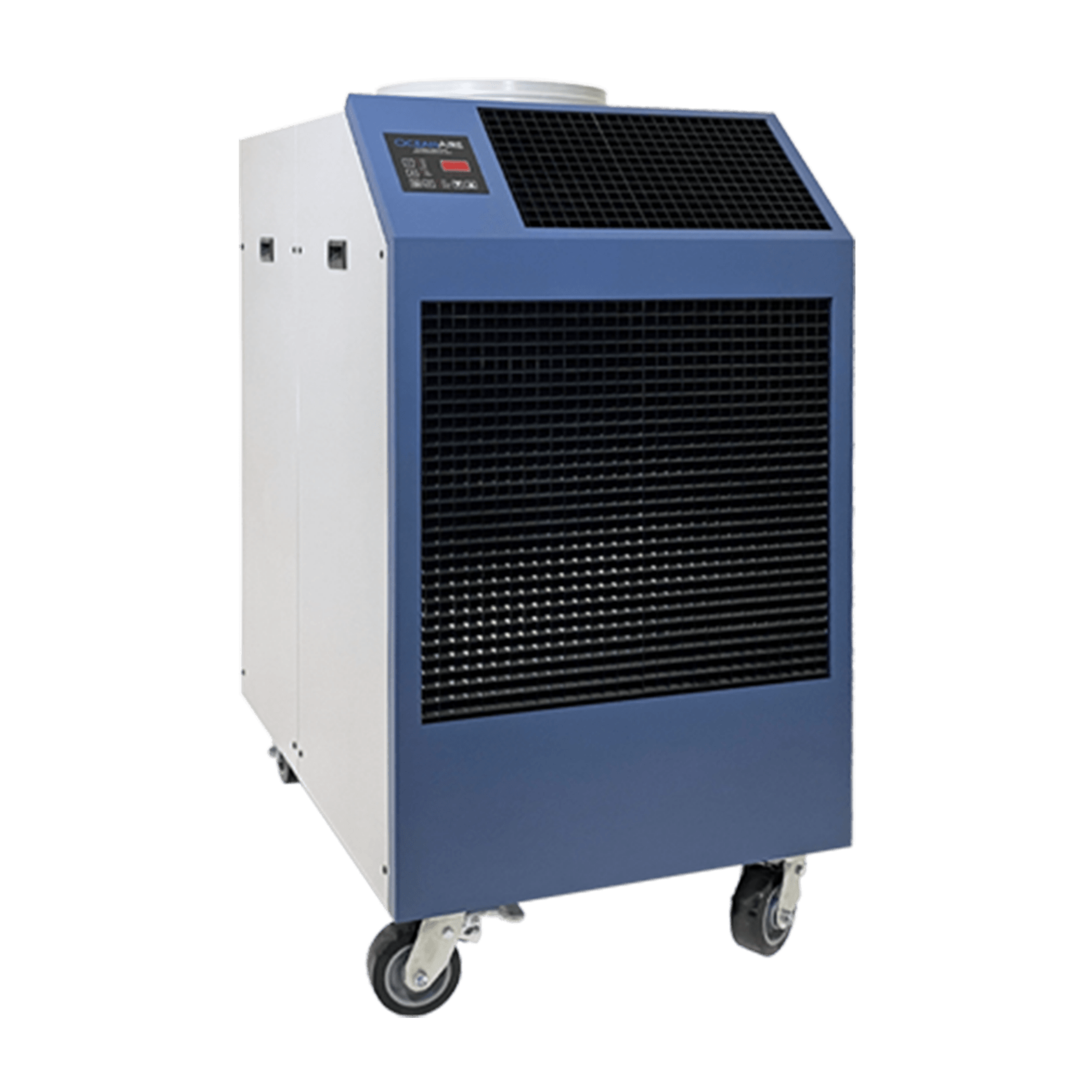
Spot coolers and portable air conditioners provide localized cooling directly to work areas, equipment, or processes. These systems are flexible, fast to deploy, and ideal for facilities that need targeted cooling rather than whole-building temperature control.
When Spot Cooling Makes Sense in Industrial Environments
Spot cooling is especially effective when:
- Only specific workstations or processes generate excess heat
- Cooling needs change frequently
- Permanent HVAC systems are unavailable or undersized
- Temporary or seasonal cooling is required
- Equipment must remain within tight temperature ranges
By focusing cooling at the source, facilities can reduce energy use while still maintaining safe and comfortable conditions.
Preventing Product Defects with Targeted Cooling
Heat and humidity can negatively affect industrial materials and processes, leading to issues such as warping, condensation, and inconsistent output. Spot cooling and portable air conditioning help stabilize temperatures around sensitive operations, supporting consistent product quality and reducing waste.
Supporting Worker Safety and Productivity
High temperatures increase the risk of fatigue, slower reaction times, and heat-related illness. In industrial settings, this can result in higher error rates and safety incidents. Targeted cooling helps reduce heat stress, supporting worker comfort, focus, and overall productivity—especially in high-heat zones such as assembly lines and processing areas.
Flexibility During HVAC Downtime or Facility Changes
Planned maintenance, system upgrades, or unexpected HVAC failures can leave industrial spaces without adequate cooling. Portable industrial cooling solutions can be deployed quickly to bridge these gaps, helping facilities maintain operations while permanent systems are repaired or adjusted.
Spot cooling is also useful during facility expansions, reconfigured production lines, or temporary increases in output that strain existing HVAC capacity.
Maintenance Considerations for Industrial Cooling
Regardless of the cooling approach, regular maintenance is essential for performance and reliability. Key considerations include:
- Keeping filters and coils clean
- Inspecting airflow and exhaust paths
- Ensuring proper placement of cooling equipment
- Monitoring temperature and humidity levels
Proper maintenance helps ensure consistent cooling performance and extends equipment life.
Choosing the Right Industrial Cooling Strategy
Selecting the right cooling approach depends on several factors, including facility size, heat load, process requirements, and energy goals. In many cases, combining permanent HVAC systems with targeted spot cooling provides the most practical and cost-effective solution.
Facilities that rely on flexible, localized cooling often find that spot coolers and portable air conditioners offer the control they need without the complexity or expense of full-system upgrades.
Final Thoughts
Industrial cooling is not a one-size-fits-all solution. While permanent systems play an important role, targeted spot cooling and portable air conditioning provide flexibility, efficiency, and fast response for modern industrial environments. By addressing heat exactly where it occurs, facilities can protect equipment, support workers, and maintain consistent operations—even under demanding conditions.