


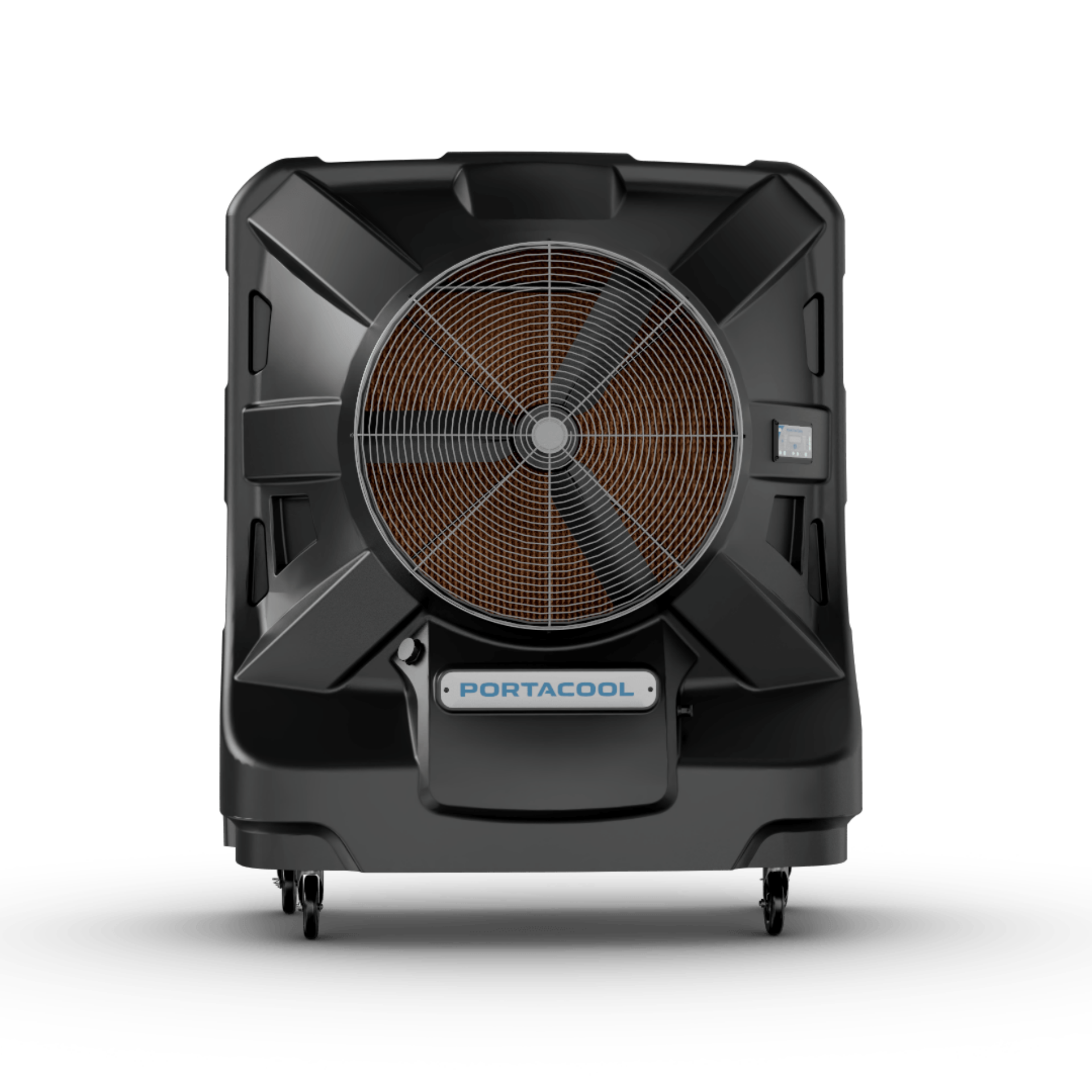
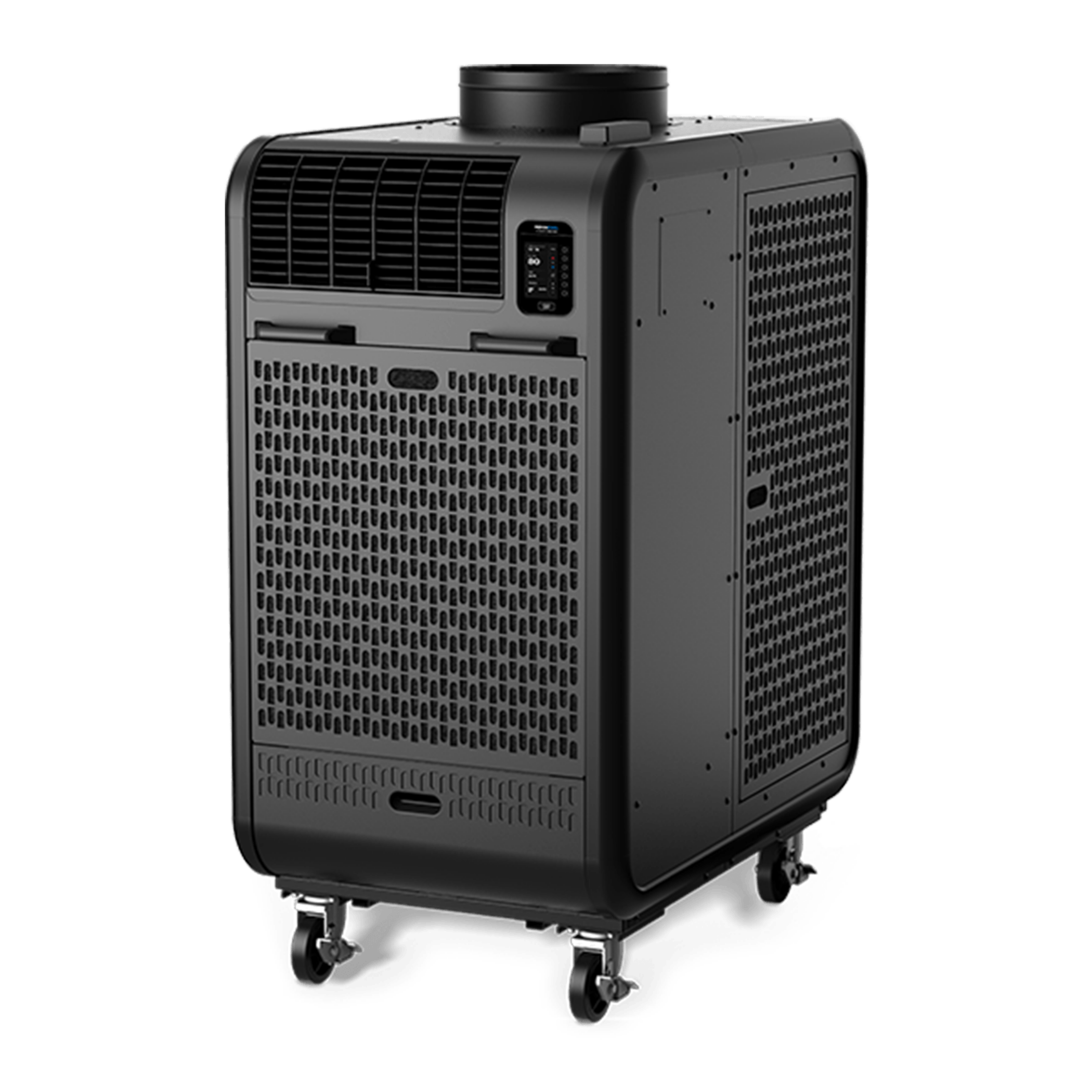
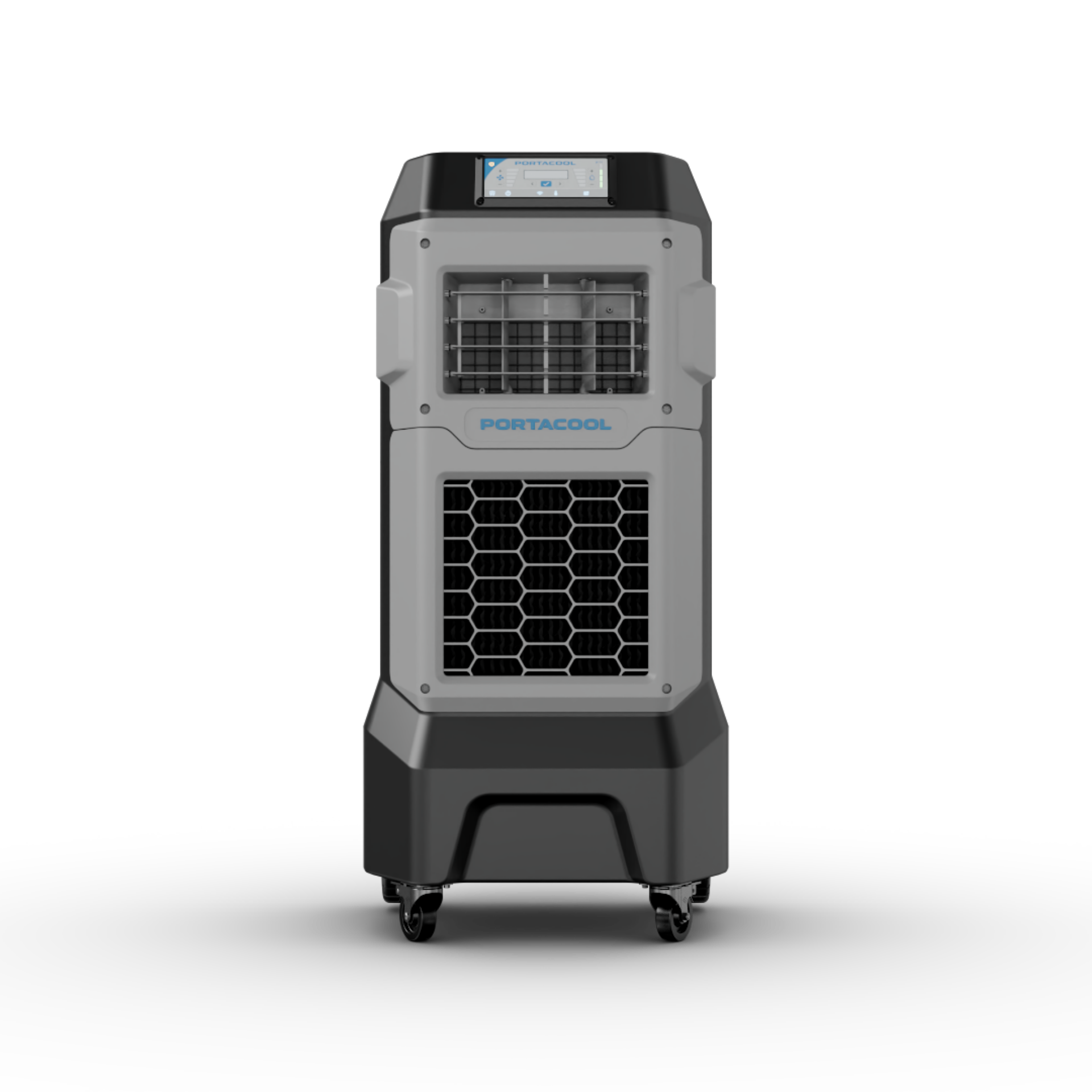
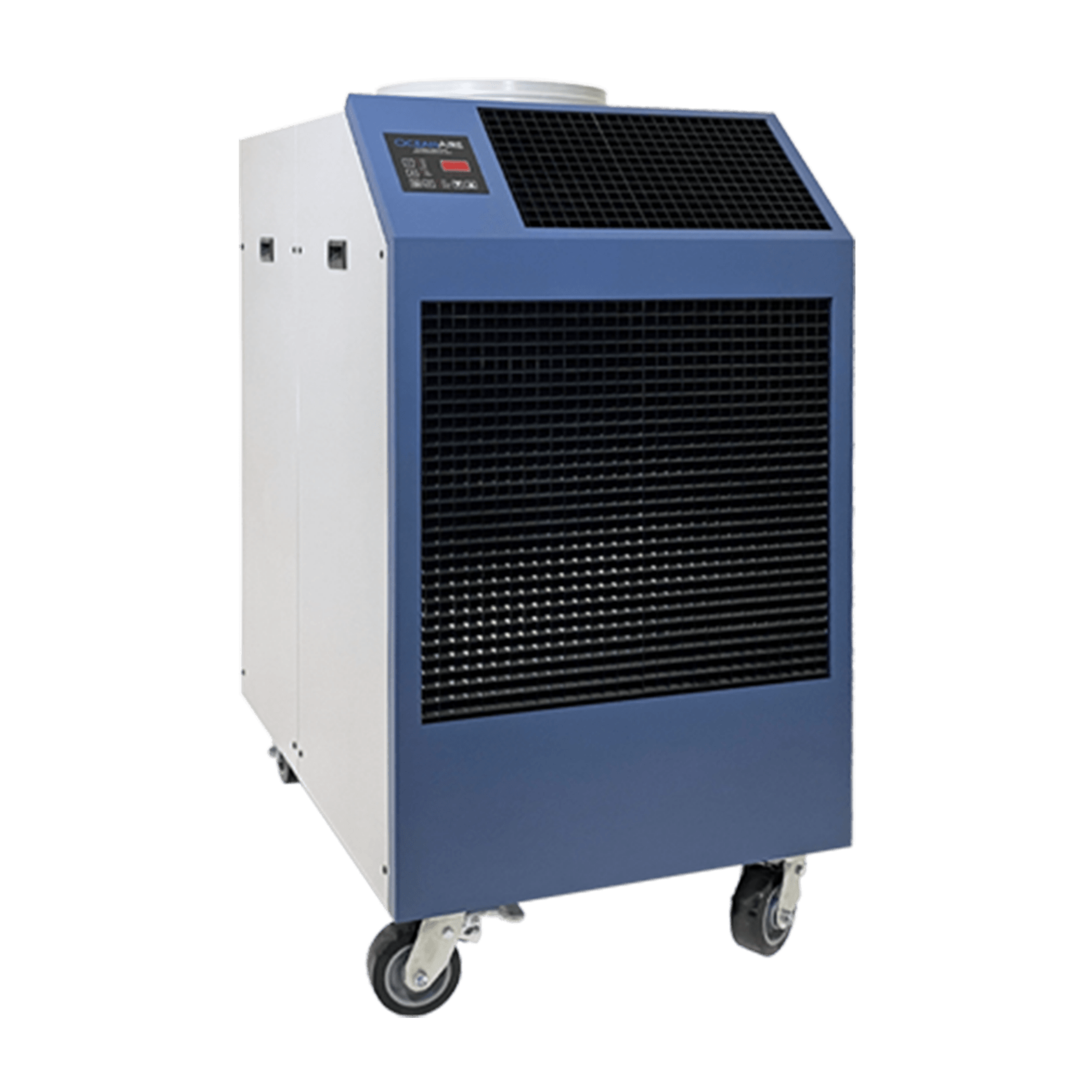
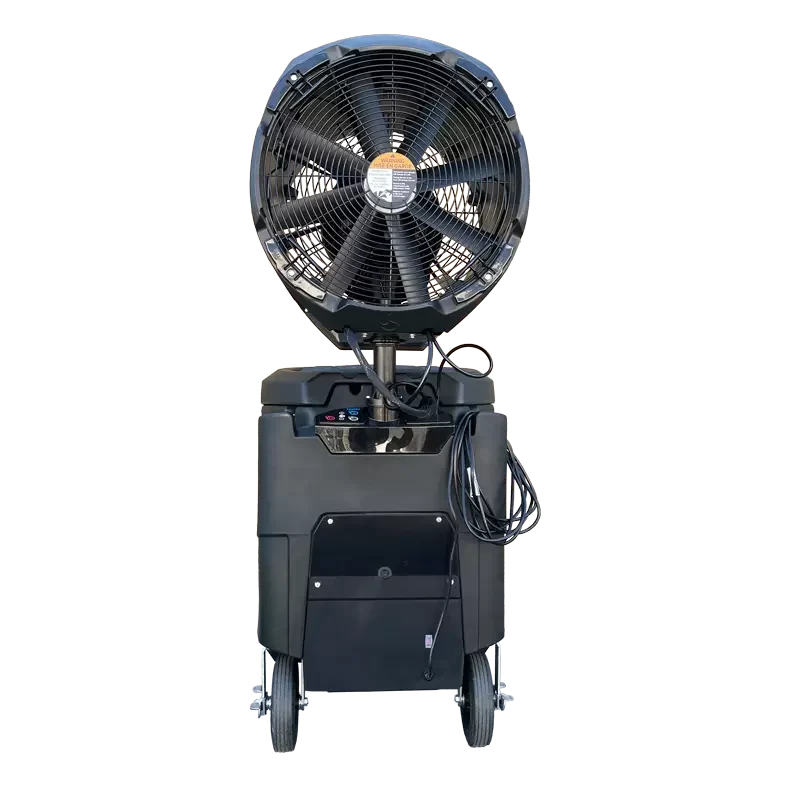
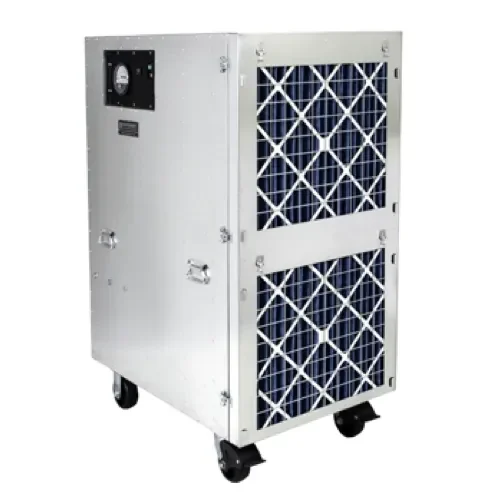
When comparing portable air conditioners for commercial or industrial use, two of the most recognized brands are Airrex and Oceanaire. Both manufacturers produce high-capacity spot coolers, heat pumps, and water-cooled systems used in warehouses, offices, industrial facilities, data centers, and event environments.
This guide compares Airrex and Oceanaire across build quality, model range, cooling capacity, electrical requirements, country of manufacture, and ideal applications to help determine which brand fits your project best.
Brand Overview
Airrex
Airrex manufactures commercial-grade portable air conditioners and heat pumps designed for continuous operation in demanding environments. Their lineup includes 1-ton through 12-ton air-cooled units and select water-cooled models.
Airrex units are frequently selected for warehouses, manufacturing facilities, construction projects, and high-heat commercial applications where durability and strong airflow are priorities.
Oceanaire
Oceanaire manufactures its portable air conditioners in the United States. The brand is known for producing air-cooled, water-cooled, heat pump, and outdoor-rated units built for commercial and institutional use.
Because Oceanaire units are made in the U.S., they are often preferred in projects where domestic manufacturing, long-term parts support, and compliance requirements are important factors.
Oceanaire systems are commonly used in offices, retail, healthcare facilities, education environments, and permanent spot cooling applications.
Airrex vs Oceanaire Comparison Table
| Category | Airrex | Oceanaire |
|---|---|---|
| Manufacturing | Global manufacturing | Made in USA |
| Tonnage Range | 1-ton to 12-ton | 1-ton to 12-ton |
| Water-Cooled Options | Limited (1.5-ton & 5-ton) | Full lineup 1.5–5 ton |
| Heat Pump Models | Yes (AHSC series) | Yes (2OACH series) |
| Industrial Durability | Very strong | Strong |
| Noise Levels | Moderate to low | Moderate |
| Voltage Options | 115V to 3-phase | 115V to 3-phase |
| Outdoor-Rated Models | Select units | OPAC Series designed for outdoor |
| Best For | Warehouses, manufacturing | Offices, commercial facilities |
Where Airrex Has the Advantage
- Strong industrial positioning across air-cooled lineup
- Reliable performance in high-heat environments
- Competitive 5-ton and 12-ton air-cooled offerings
- Balanced airflow and cooling capacity
- Popular for warehouse and construction cooling
Airrex tends to be selected when cooling heavy equipment areas, open warehouses, or higher ambient heat zones.
Where Oceanaire Has the Advantage
- Manufactured in the United States
- Broader water-cooled lineup from 1.5 to 5 tons
- Dedicated outdoor-rated OPAC Series
- Strong continuous-duty performance
- Often preferred for institutional, healthcare, and government projects
Oceanaire is frequently chosen when domestic manufacturing and long-term service support are important purchasing factors.
Best Choice by Application
1–1.5 Ton
Both brands offer strong options. Selection typically depends on voltage requirements and airflow needs.
2–3 Ton
Airrex is commonly selected for warehouse or light industrial applications.
Oceanaire is frequently chosen for commercial interiors and server rooms.
5 Ton
Both brands compete closely.
Airrex is often selected for industrial heat loads.
Oceanaire is strong in commercial and mixed-use facilities.
12 Ton
Airrex AHSC-140R is a powerful industrial solution.
Oceanaire OPAC 12-Ton is well suited for outdoor or permanent-style installations.
How to Decide Between Airrex and Oceanaire
Choose Airrex if:
- You are cooling warehouses or industrial floors
- Heat load is high
- You want strong airflow and heavy-duty performance
Choose Oceanaire if:
- Domestic manufacturing is important
- The environment is office, healthcare, or institutional
- You need broader water-cooled options
- Outdoor placement is required
Both brands are strong performers. The right choice depends on heat load, environment type, electrical configuration, installation constraints, and whether U.S. manufacturing is a priority.