



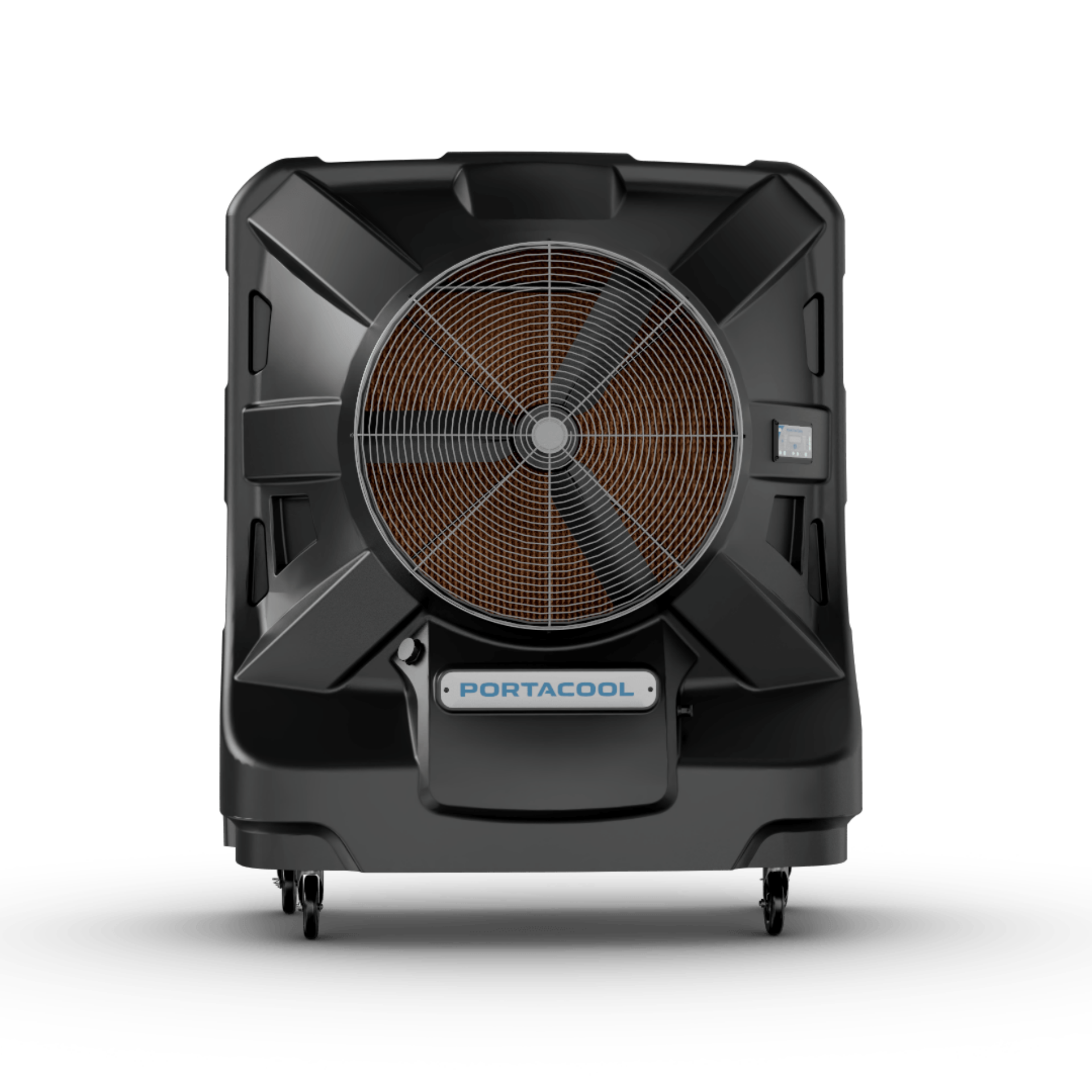
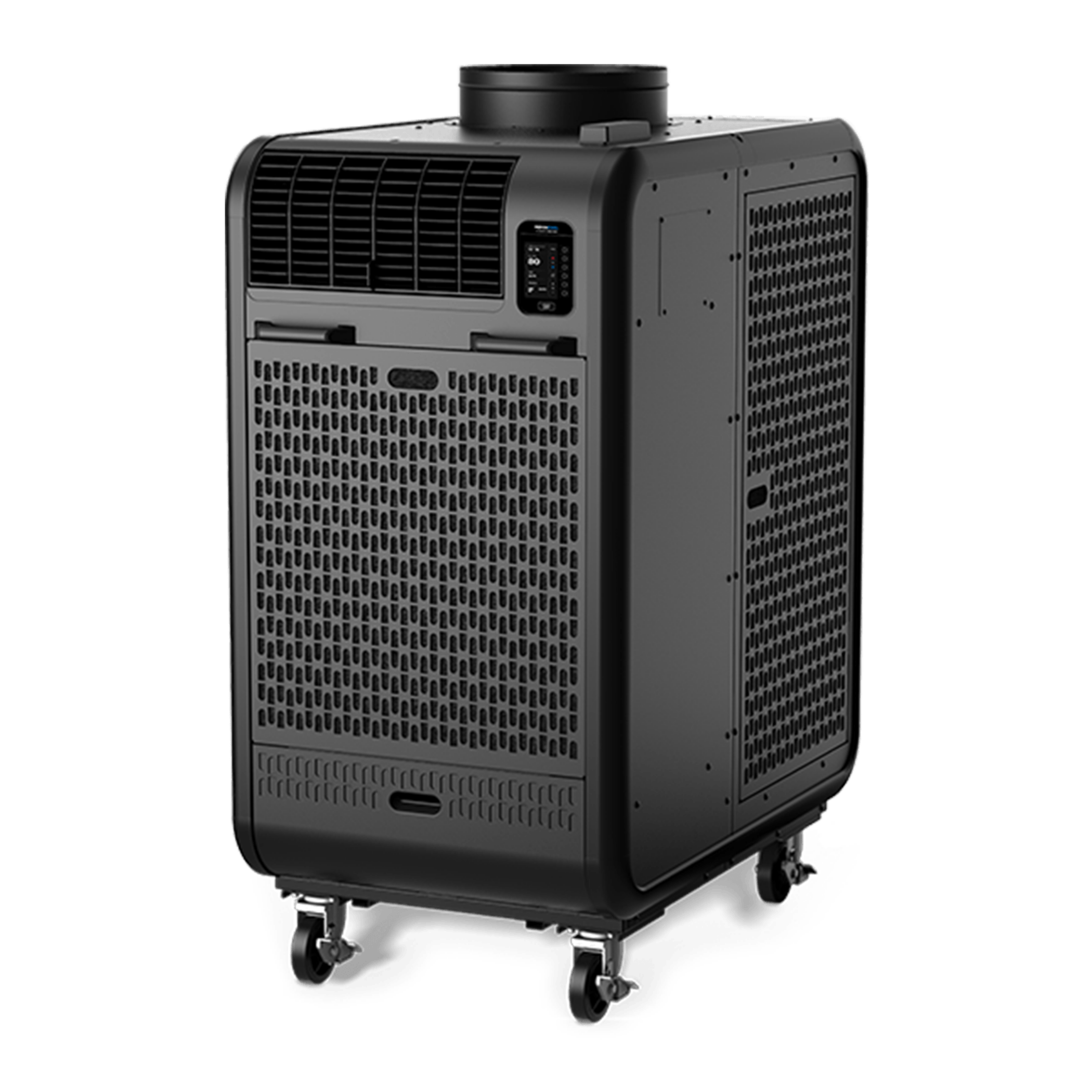
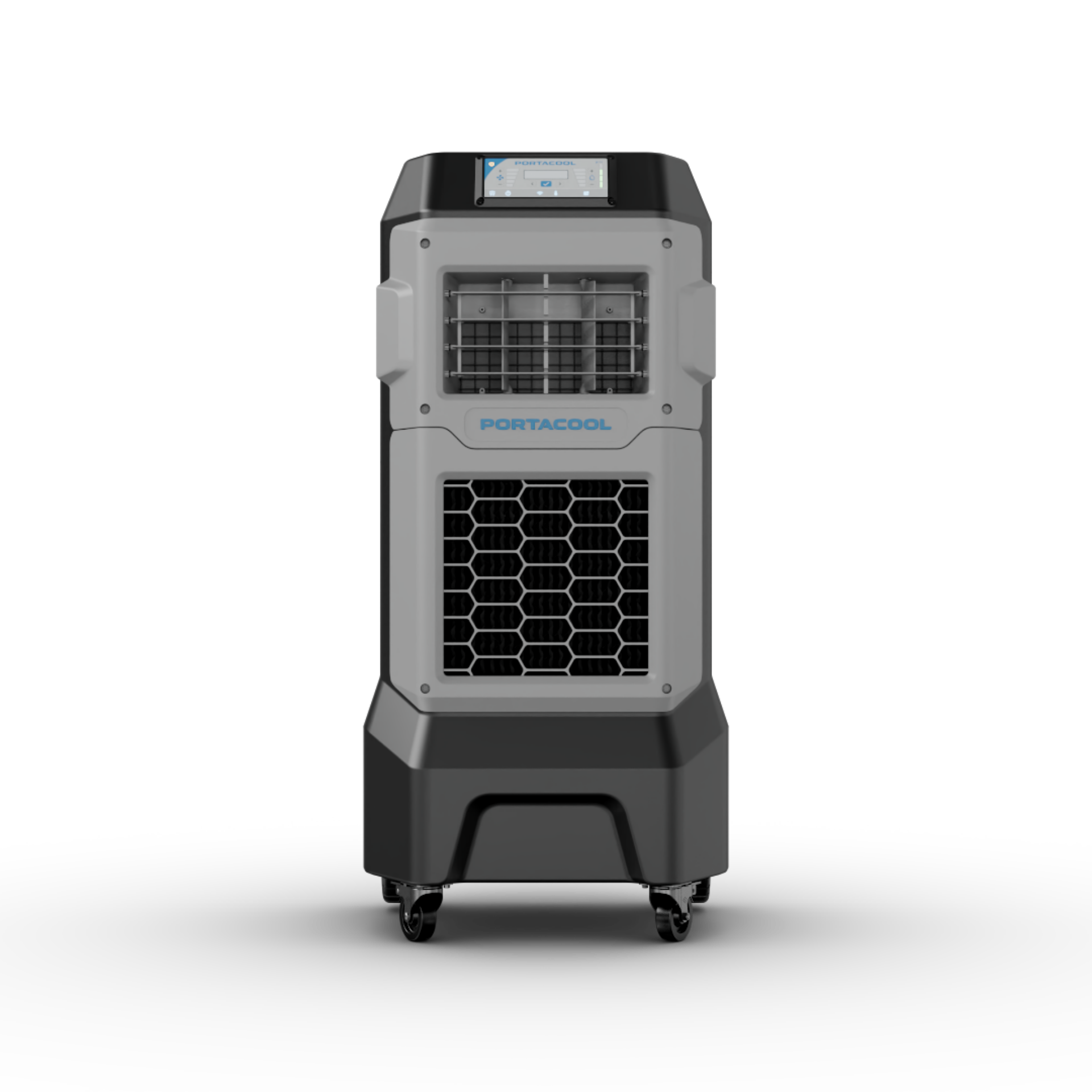
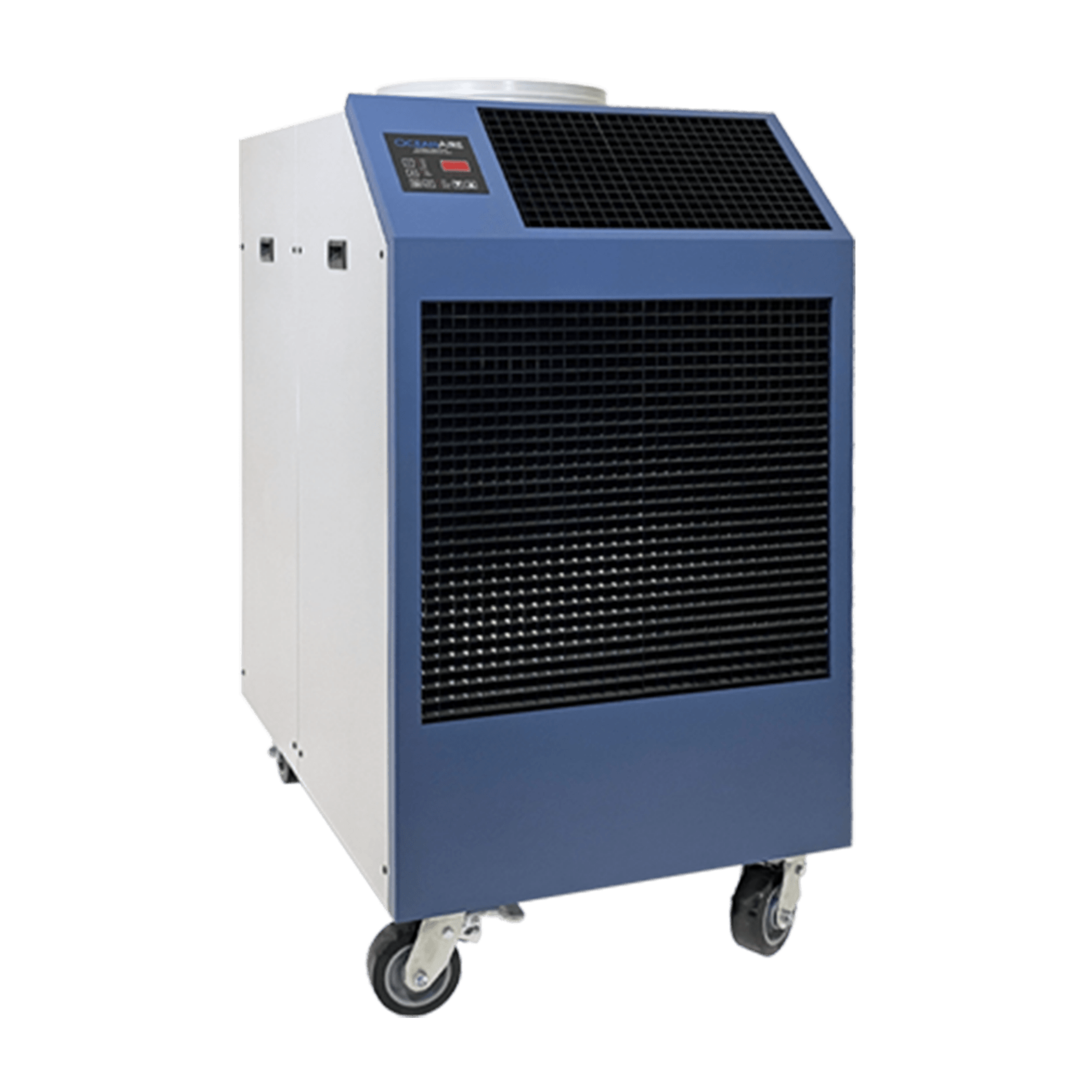
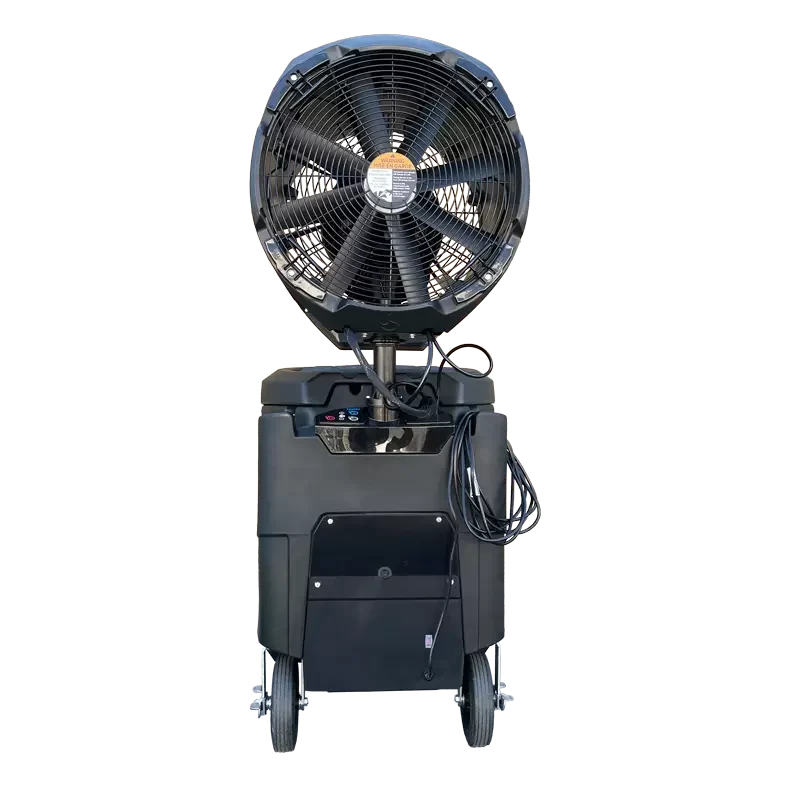
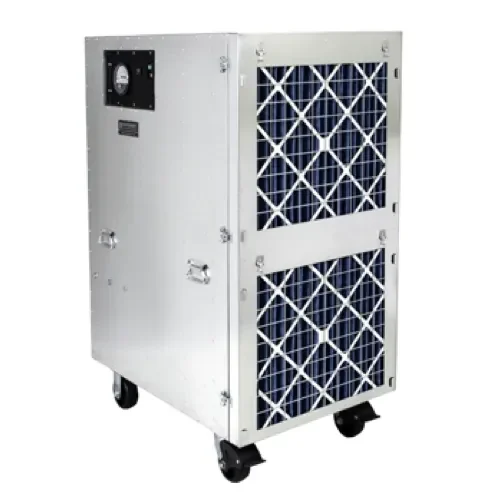
When comparing portable air conditioners for commercial or industrial use, two well-known brands are MovinCool and KwiKool. Both manufacturers produce high-capacity spot coolers used in offices, data centers, warehouses, industrial facilities, and temporary structures.
This guide compares MovinCool and KwiKool across build quality, model range, cooling capacity, electrical requirements, mobility, and ideal applications to help determine which brand fits your project best.
Brand Overview
MovinCool
MovinCool is one of the most widely recognized names in portable spot cooling. Their lineup includes the Climate Pro K-Series for office and IT environments and the X-Series for light industrial applications.
MovinCool units excel in plug-and-play applications, especially where 115V power is required, making them popular choices for commercial offices, server rooms, and telecom closets.
KwiKool
KwiKool focuses on higher-capacity and industrial-grade cooling systems. Their product range spans small spot coolers up through large indoor/outdoor KPO units capable of long duct runs and higher static pressure.
KwiKool systems are frequently used in industrial plants, manufacturing facilities, warehouses, and temporary outdoor structures where durability and performance in high-heat conditions are essential.
MovinCool vs KwiKool Comparison Table
| Category | MovinCool | KwiKool |
|---|---|---|
| Manufacturing | Global manufacturing | Global manufacturing |
| Tonnage Range | 1–5 tons | 1–25 tons |
| Water-Cooled Options | Limited | Limited |
| Heat Pump Models | Limited | Select offerings |
| Industrial Durability | Moderate | Very strong |
| Noise Levels | Low to moderate | Moderate to higher |
| Voltage Options | Strong 115V lineup | 115V to 3-phase |
| Long Duct Runs | Not designed for long runs | KPO high-static series |
| Outdoor-Rated Models | Limited | Strong indoor/outdoor KPO lineup |
| Best For | Offices, server rooms | Warehouses, industrial facilities |
Where MovinCool Has the Advantage
- Very strong presence in 115V plug-and-play spot cooling
- Excellent for offices, server rooms, and telecom equipment
- Compact cabinet designs ideal for indoor spaces
- Proven reliability in commercial environments
- Lower noise output compared to most industrial-grade units
MovinCool is often selected when the cooling need is inside a finished space with standard electrical supply and limited installation complexity.
Where KwiKool Has the Advantage
- High-static KPO series allows long duct runs
- Larger capacities from 5 to 25 tons
- Designed for industrial and high-ambient environments
- Rugged construction with heavy-duty frames
- Indoor/outdoor capability for temporary and permanent installs
KwiKool is typically chosen for demanding industrial settings or outdoor placements where higher airflow and robust construction are required.
Best Choice by Application
1 Ton
- MovinCool: Excellent for IT rooms, offices, and retail areas.
- KwiKool: Suitable for industrial or warm mechanical rooms.
2–3 Ton
- MovinCool: Good for office build-outs, light industrial floors, and server rooms.
- KwiKool: Better for higher ambient temperatures and long duct runs.
5 Ton
- MovinCool: Available but less industrial-focused.
- KwiKool: Stronger fit for warehouses and manufacturing spaces.
12–25 Ton
- MovinCool: Does not offer units in this size range.
- KwiKool: KPO Series provides compact 12-, 20-, and 25-ton cooling solutions with indoor/outdoor placement.
How to Decide Between MovinCool and KwiKool
Choose MovinCool if:
- You need a reliable 115V unit
- Cooling is for offices, IT closets, data rooms, or indoor commercial spaces
- Quiet operation and compact footprint are important
- You want fast plug-and-play installation
Choose KwiKool if:
- You’re cooling warehouses or industrial floors
- Long duct runs or outdoor placement are required
- You need larger tonnage options
- You want a rugged, high-performance system for harsh environments
Both brands provide strong options, but the right choice depends on heat load, installation environment, ducting length, and whether standard 115V power is required.