


AC and Heating
Electrical rooms are some of the most heat-sensitive areas inside any facility. Whether you operate a manufacturing plant, hospital, data center, school, or municipal building, excessive heat inside a switchgear or panel room can quickly turn into equipment failure, nuisance trips, or costly downtime.
When permanent HVAC systems fail — or simply can’t keep up — temporary cooling for electrical rooms becomes a critical solution, not a luxury.
This guide explains why electrical rooms overheat, what risks are involved, and how portable cooling solutions can protect your facility.
Why Electrical Rooms Overheat
Electrical rooms generate heat by design. Key contributors include:
- Switchgear and breaker panels
- Motor Control Centers (MCC rooms)
- Transformers
- Variable Frequency Drives (VFDs)
- UPS systems
- Battery banks
As electrical load increases, heat output increases. During summer months or production spikes, existing HVAC systems may not be sized to handle the additional load.
Other common causes include:
- Aging rooftop units
- Failed compressors
- Poor airflow
- Renovations or facility expansions
- Blocked vents or clogged filters
If your main HVAC system goes down, temperatures inside an electrical room can climb rapidly — sometimes within hours.
What Happens When Electrical Rooms Get Too Hot
Heat is one of the leading causes of electrical component failure. Even small temperature increases can significantly reduce equipment lifespan.
Risks include:
- Breaker nuisance trips
- Equipment derating
- Premature capacitor and transformer failure
- Control board damage
- Safety violations
- Production downtime
Many electrical components are rated for ambient temperatures around 77°F–86°F. Sustained temperatures above 95°F–104°F can cause performance degradation.
If you’re managing a mission-critical space, this becomes an operational risk.
(For similar mission-critical cooling needs, see: Why Portable Cooling Is Now a Core Requirement for Data Centers)
Internal link:
→ /why-portable-cooling-is-now-a-core-requirement-for-data-centers/
When Temporary Cooling Is Needed
Temporary cooling solutions are commonly used when:
- Main HVAC fails unexpectedly
- Facilities are adding new electrical load
- Renovation projects impact airflow
- Summer heat waves overwhelm rooftop units
- Electrical rooms were never designed for modern load levels
In many industrial facilities, the electrical room was originally sized decades ago. Today’s power demand often exceeds the original design assumptions.
Portable spot cooling provides immediate relief without waiting weeks for permanent HVAC repairs.
Best Portable Cooling Solutions for Electrical Rooms
The right solution depends on room size, heat load, and ventilation constraints.
1. Portable Spot Coolers (1–5 Ton Units)
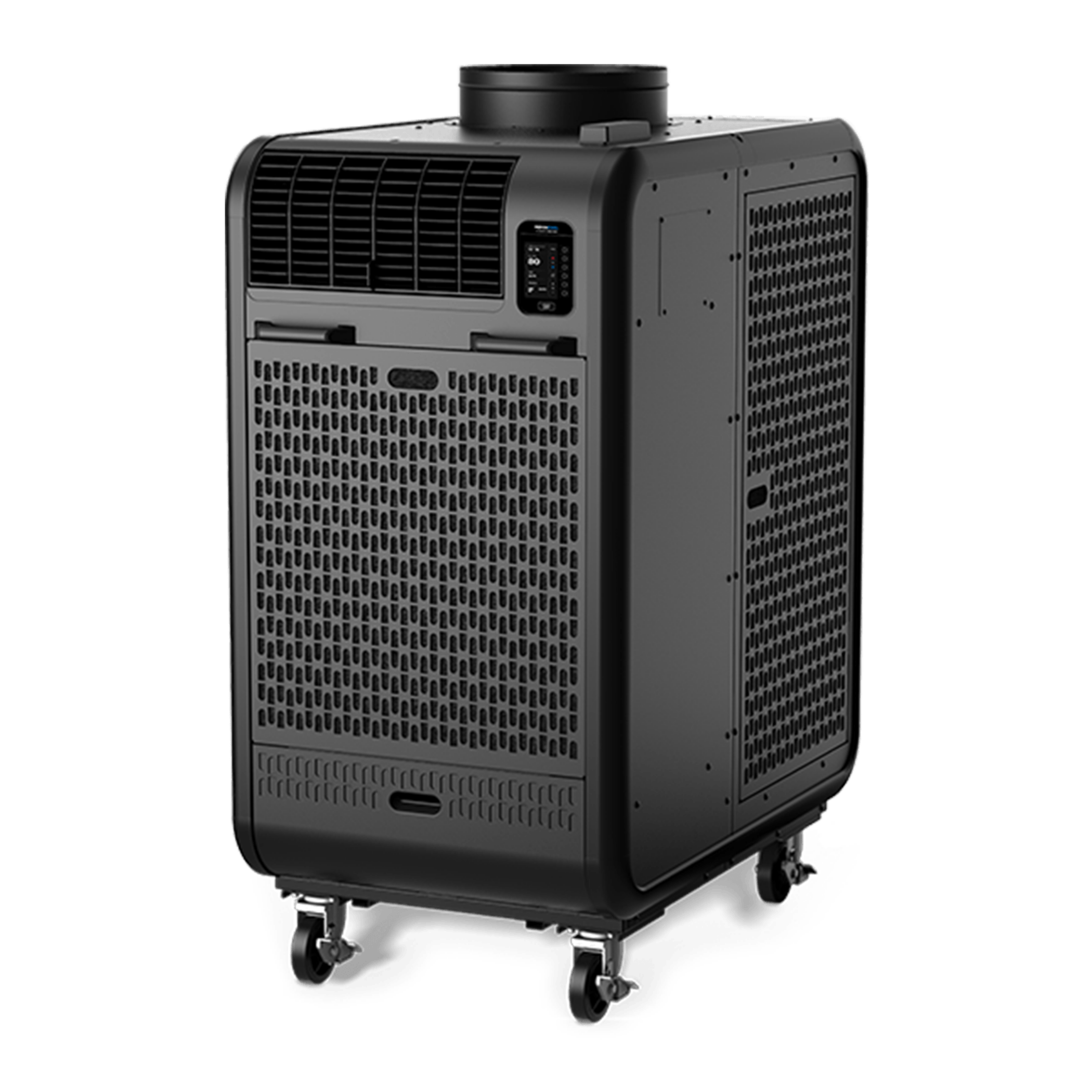
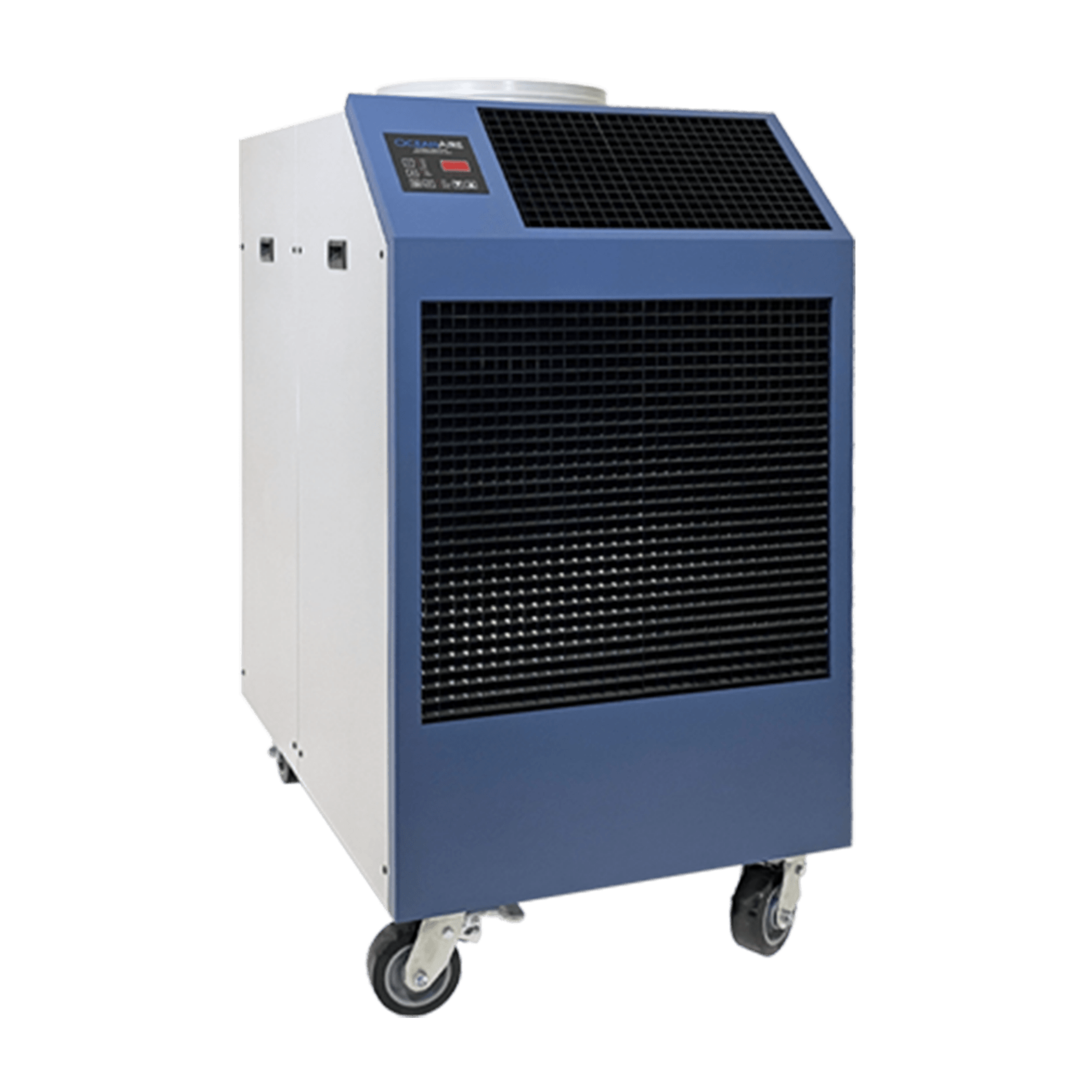
For small to mid-sized electrical rooms, portable air-cooled spot coolers are often the fastest solution.
Benefits:
- Plug-and-play deployment
- Directional cooling nozzles
- Easy ducting of hot air return
- Minimal installation time
For sizing and selection help, see:
→ How to Choose the Right Portable Air Conditioner: A Comprehensive Guide
Internal link:
→ /how-to-choose-the-right-portable-air-conditioner-a-comprehensive-guide/
Spot coolers are particularly effective when targeted airflow is needed directly onto panels or switchgear.
For emergency comparisons:
→ Spot Cooler vs. Traditional HVAC: Which is Better for Emergencies?
Internal link:
→ /spot-cooler-vs-traditional-hvac-which-is-better-for-emergencies/
2. Water-Cooled Portable AC Units
If your electrical room has limited ventilation and cannot exhaust hot air outdoors, water-cooled portable AC units may be the better option.
Water-cooled systems:
- Reject heat through water lines instead of air
- Work well in confined or interior rooms
- Reduce the need for ducting
For confined-space cooling strategies:
→ Beat the Ventilation Bottleneck: How Water-Cooled Portable AC Units Solve Confined-Space Cooling
Internal link:
→ /beat-the-ventilation-bottleneck-how-water-cooled-portable-ac-units-solve-confined-space-cooling/
3. Large-Scale Temporary Cooling (10–25 Ton Systems)
For large electrical rooms, substations, or facilities experiencing full HVAC failure, trailer-mounted systems may be required.
These units:
- Provide high-capacity cooling
- Can duct supply air into electrical rooms
- Support multi-room applications
- Are ideal for manufacturing plants and data centers
Quick Sizing Guide for Electrical Room Cooling
While a full heat load calculation is ideal, here’s a simplified starting point:
- Measure square footage.
- Estimate equipment heat output (kW load × 3,412 = BTUs).
- Add safety margin for peak load conditions.
Example:
If your electrical room has:
- 10 kW of active load
- 10 × 3,412 = 34,120 BTUs
That already requires roughly a 3-ton unit.
Additional lighting, solar heat gain, and airflow limitations may increase that requirement.
For a deeper breakdown of cooling strategy by application, see:
→ Industrial Cooling Solutions: How Targeted Spot Cooling Supports Modern Facilities
Internal link:
→ /industrial-cooling-solutions-how-targeted-spot-cooling-supports-modern-facilities/
Why Portable Cooling Works Better Than Emergency HVAC Repairs
Waiting on rooftop unit repairs can take weeks during peak season. Parts shortages and contractor backlogs are common.
Temporary cooling:
- Deploys same-day in many cases
- Prevents downtime
- Protects sensitive equipment
- Allows permanent repairs to proceed safely
- Reduces risk of OSHA or safety violations
Portable systems are not just emergency tools — many facilities use them seasonally to manage peak demand.
For broader industry applications:
→ Portable Climate Control for Every Industry: What to Use and When
Internal link:
→ /portable-climate-control-for-every-industry-what-to-use-and-when/
Code Compliance & Safety Considerations
Electrical rooms must maintain safe operating temperatures per manufacturer guidelines and safety standards.
Overheated environments may violate:
- Equipment manufacturer specifications
- Insurance compliance requirements
- Workplace safety regulations
Temporary cooling helps maintain proper operating conditions during:
- Equipment upgrades
- Transformer replacements
- Panel expansions
- HVAC outages
Final Thoughts: Protect Your Electrical Infrastructure
Electrical rooms are the backbone of any facility. When they overheat, operations are at risk.
Temporary cooling for electrical rooms provides:
- Immediate temperature control
- Scalable capacity
- Industrial-grade reliability
- Reduced downtime risk
Whether you need a 1-ton portable spot cooler or a 25-ton trailer-mounted system, having a contingency plan in place protects your equipment and your bottom line.
If your facility is experiencing elevated temperatures or planning an electrical upgrade, now is the time to evaluate temporary cooling options.