
Temporary Cooling, Drying, & Heating for Construction Sites
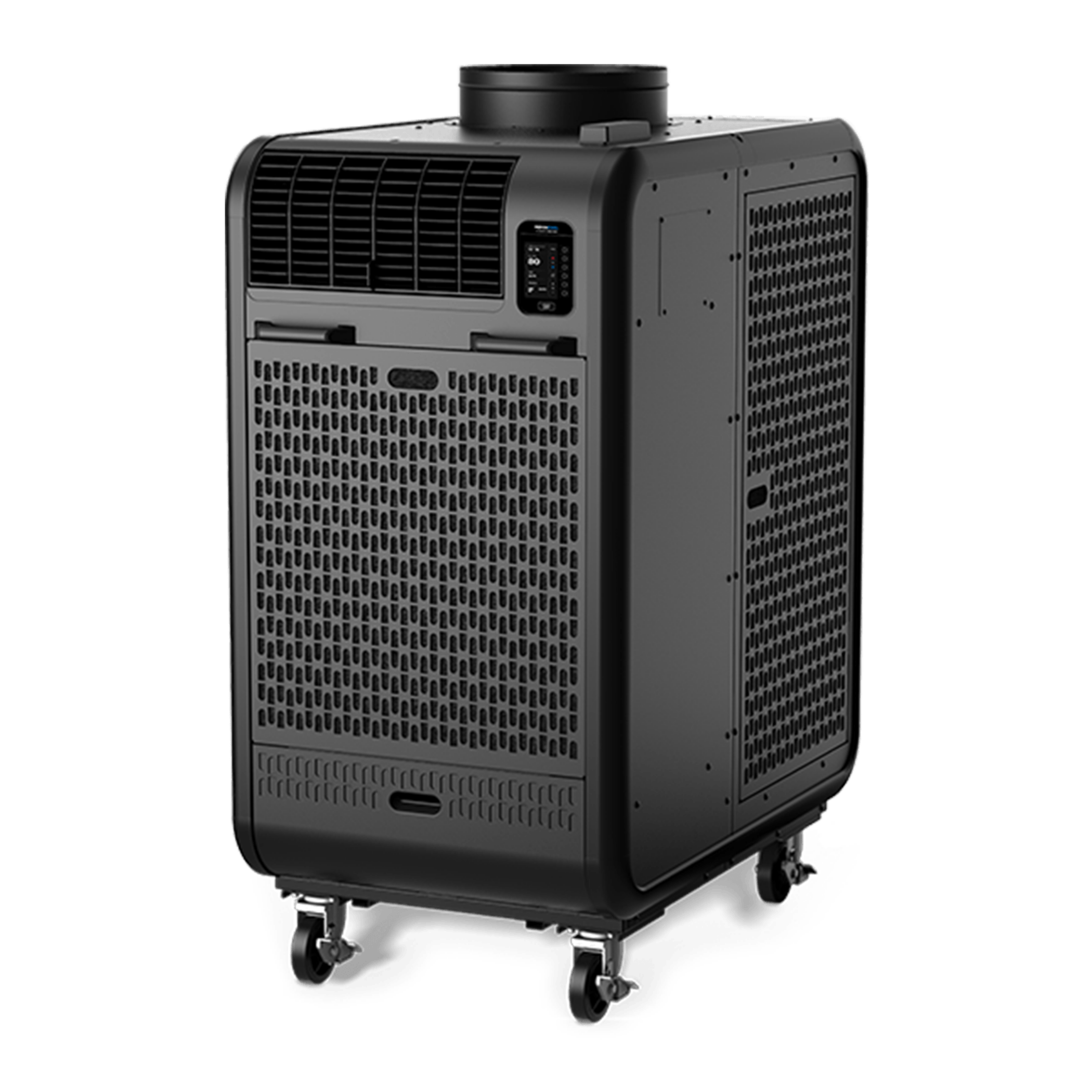
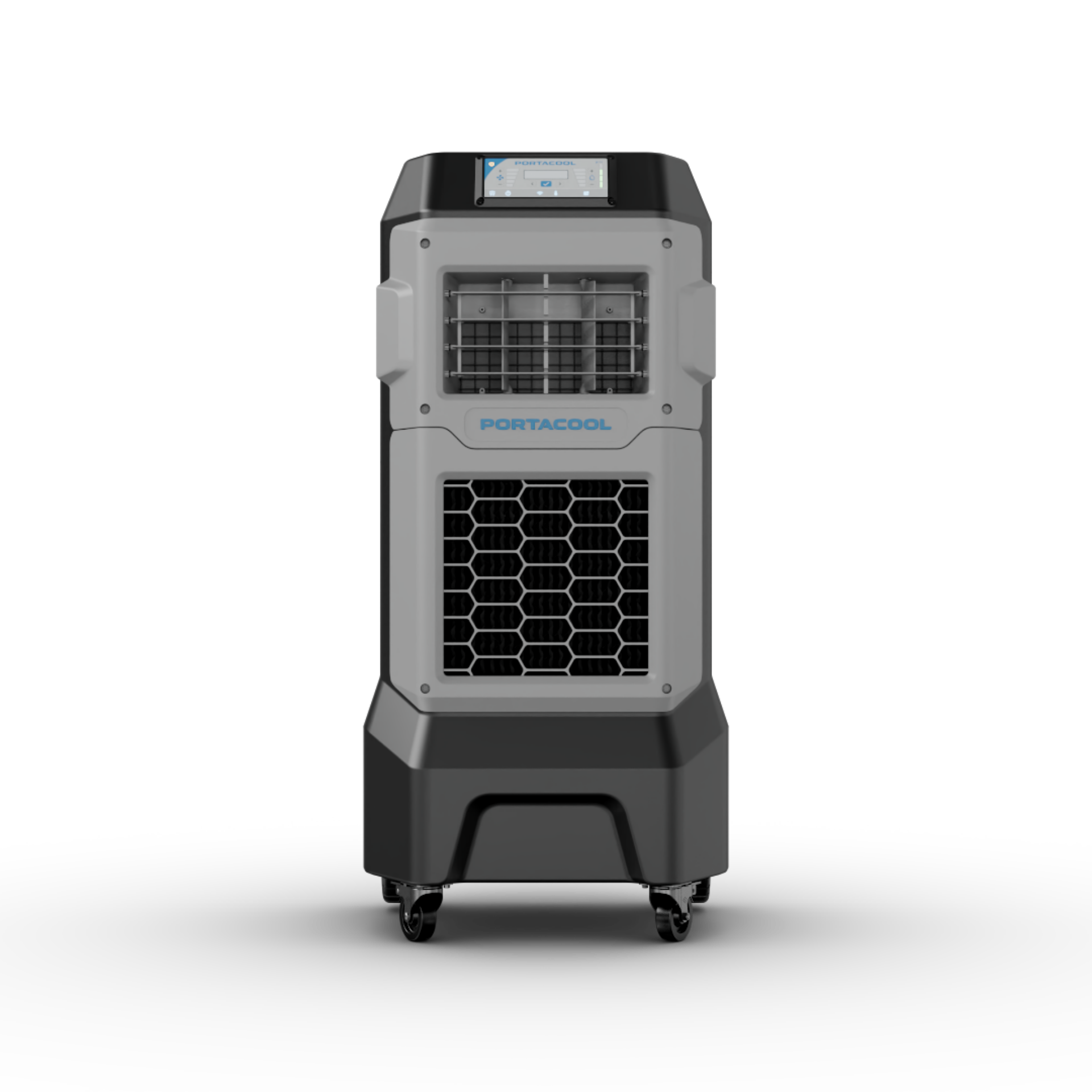
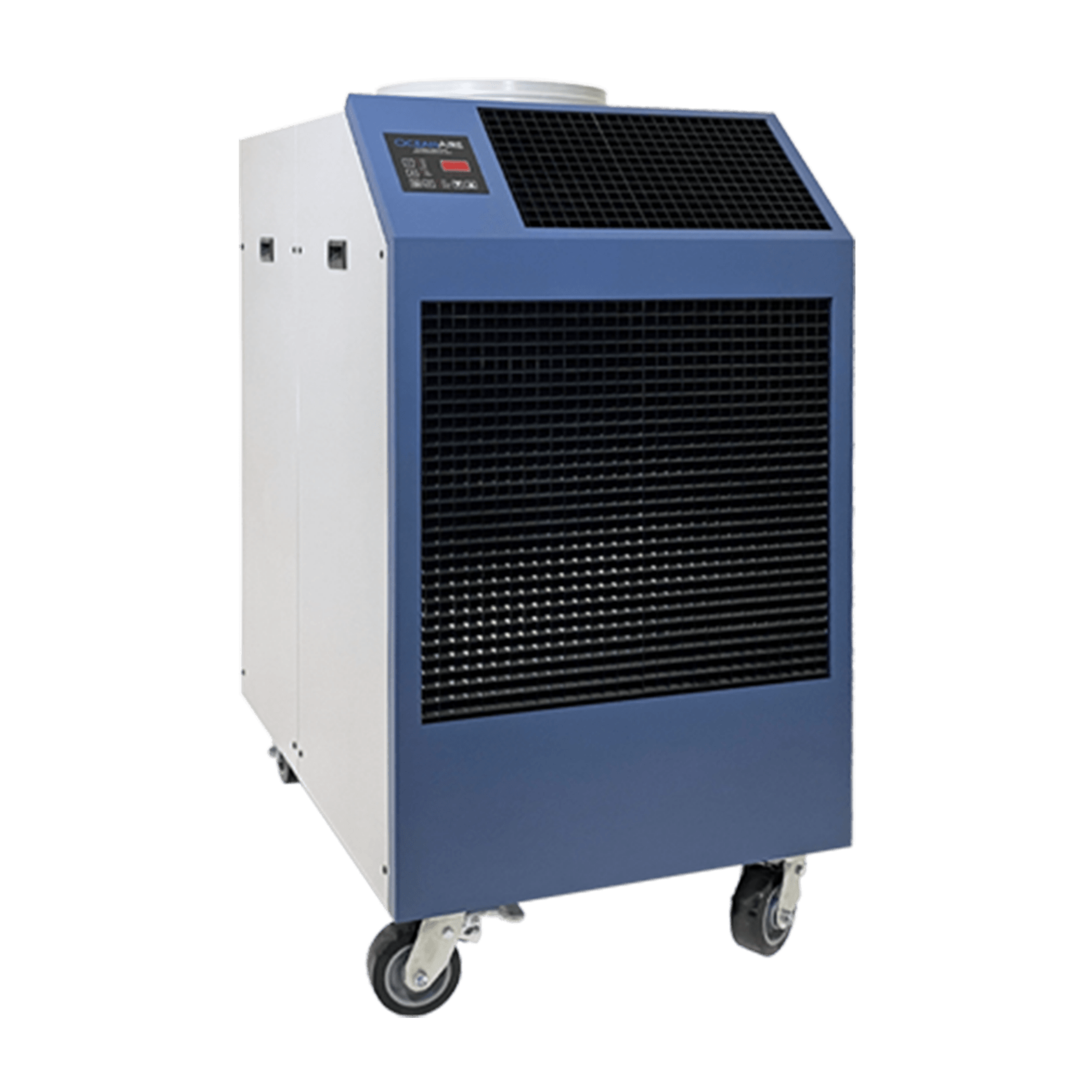
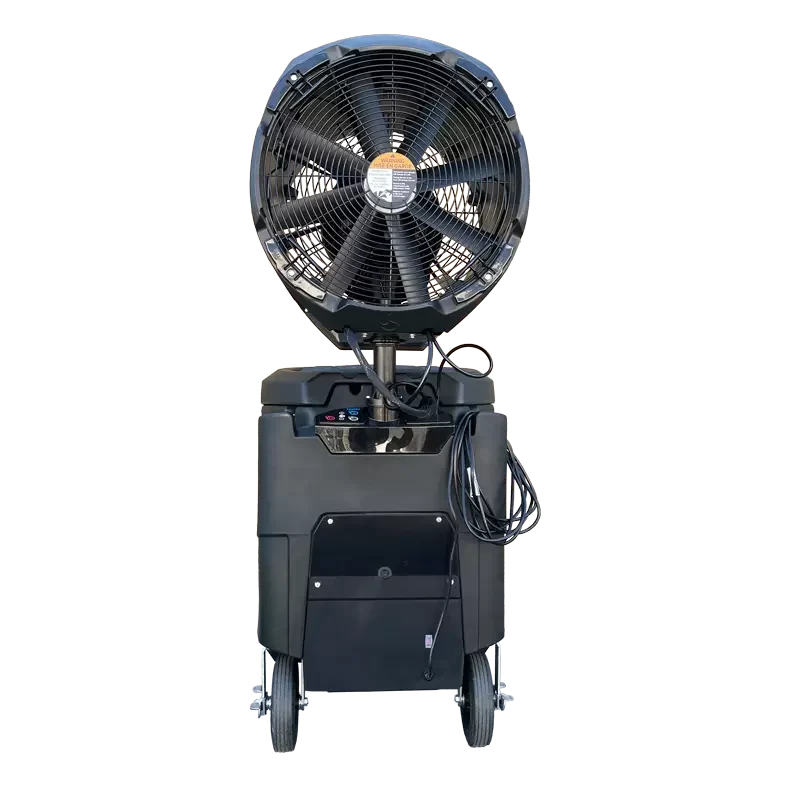
Construction sites often deal with extreme temperatures, high humidity, dust, and temporary workspaces where permanent HVAC is unavailable or offline. Without proper climate control, teams can lose productivity, equipment can overheat, and moisture can lead to mold and material damage. Climate Control Solutions provides portable cooling, dehumidification, and heating equipment designed to support construction projects with fast deployment and jobsite-ready performance.
- Cooling for trailers, tents, and temporary offices
- Drying and dehumidification after water intrusion or high humidity
- Temporary heating for curing, cold-weather work, and occupant comfort
Common Construction Cooling Applications
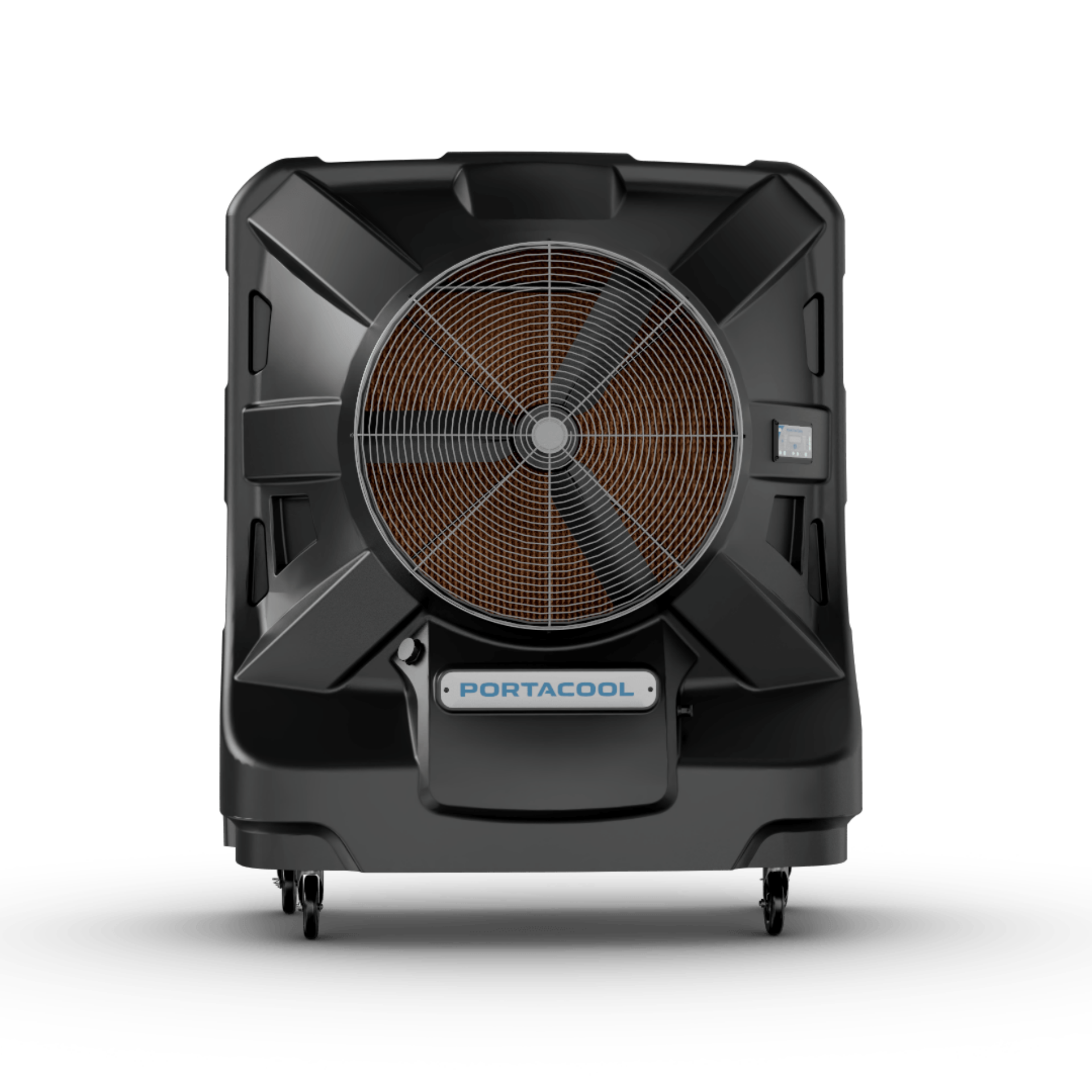
Portable spot coolers and temporary air conditioners are used on job sites to deliver targeted cooling where it’s needed most—without permanent installation. Below are common scenarios where temporary cooling helps keep projects moving.
Construction Trailers
Construction trailers used for planning, coordination, and supervision can quickly overheat during warmer months. Portable spot coolers provide fast, localized cooling to help maintain a comfortable work environment for project teams throughout the day.
Tents and Temporary Offices
For tents, temporary offices, and short-term jobsite structures, portable air conditioning is a practical way to stabilize temperatures without relying on building HVAC. These units are often used for staging areas, check-in points, meeting spaces, and other temporary workspaces.
HVAC Downtime in Occupied Areas
During scheduled maintenance or unexpected HVAC failures, buildings can become hot and uncomfortable quickly. Portable air conditioners can be deployed fast to help maintain workable conditions until the permanent system is back online.
Welding, Fabrication, and Other Heat-Generating Processes
Heat-intensive operations can raise temperatures fast—especially in enclosed or partially enclosed work zones. Spot coolers help reduce heat stress and improve comfort around welding, fabrication, and other high-heat tasks.
Drying and Moisture Control on Job Sites
After heavy rain, water intrusion, or sustained high humidity, moisture can become a major problem on construction projects. Dehumidifiers and air movers help remove moisture from the air and materials, reducing the risk of mold growth, swelling, and avoidable delays. Moisture control is especially important during buildout phases where finishes, flooring, drywall, and sensitive materials are on-site.
- Protecting materials such as drywall, flooring, and finishes
- Supporting dry-out after leaks, rain exposure, or water intrusion
- Reducing mold risk and improving indoor air quality during buildout
Temporary Heating for Construction Projects
Cold weather can slow progress, affect cure times, and make temporary spaces uncomfortable. Portable heaters are commonly used on construction sites to maintain safe working temperatures, support curing and cold-weather work, and provide heat in temporary offices or enclosed work areas.
- Temporary heat for construction trailers and enclosed jobsite areas
- Support for curing and cold-weather processes
- Maintaining workable temperatures without permanent installation
How to Choose the Right Equipment for Your Jobsite
The right solution depends on the space type, how you plan to use the area, and what power is available on site. If you’re not sure what you need, our team can recommend the right setup based on your project details.
- Space type: trailer, tent, temporary office, open bay, or occupied area
- Cooling needs: targeted spot cooling vs broader area cooling
- Power available: 115V access vs higher voltage or generator power
- Venting / access: exhaust routing, ducting needs, and placement options
Construction Cooling, Drying, & Heating FAQs
Can these units be used in temporary offices and trailers?
Yes. Spot coolers and portable AC units are commonly used in trailers, temporary offices, and jobsite structures where permanent HVAC isn’t available or isn’t keeping up.
What if the site doesn’t have permanent power yet?
Many job sites operate with temporary power or generators. If you share your available power (voltage/phase) and the type of space you’re conditioning, we can recommend equipment that fits your setup.
Do portable air conditioners need venting?
Most portable air-cooled units require exhaust routing. Depending on the application, that may involve ducting, a ceiling tile kit, or another venting solution to direct hot air out of the conditioned space.
Can you help with drying after water exposure?
Yes. Dehumidification and airflow are commonly used after water intrusion and high humidity events to reduce moisture levels and help protect materials, equipment, and indoor air quality.
Get a Recommendation for Your Construction Site
Tell us what you’re working with—your space type, approximate size, location, and available power—and we’ll recommend the best option for temporary cooling, drying, or heating.
Fast response from a real equipment specialist.